Freewire Case Studytest
BoostCharger
The Difference
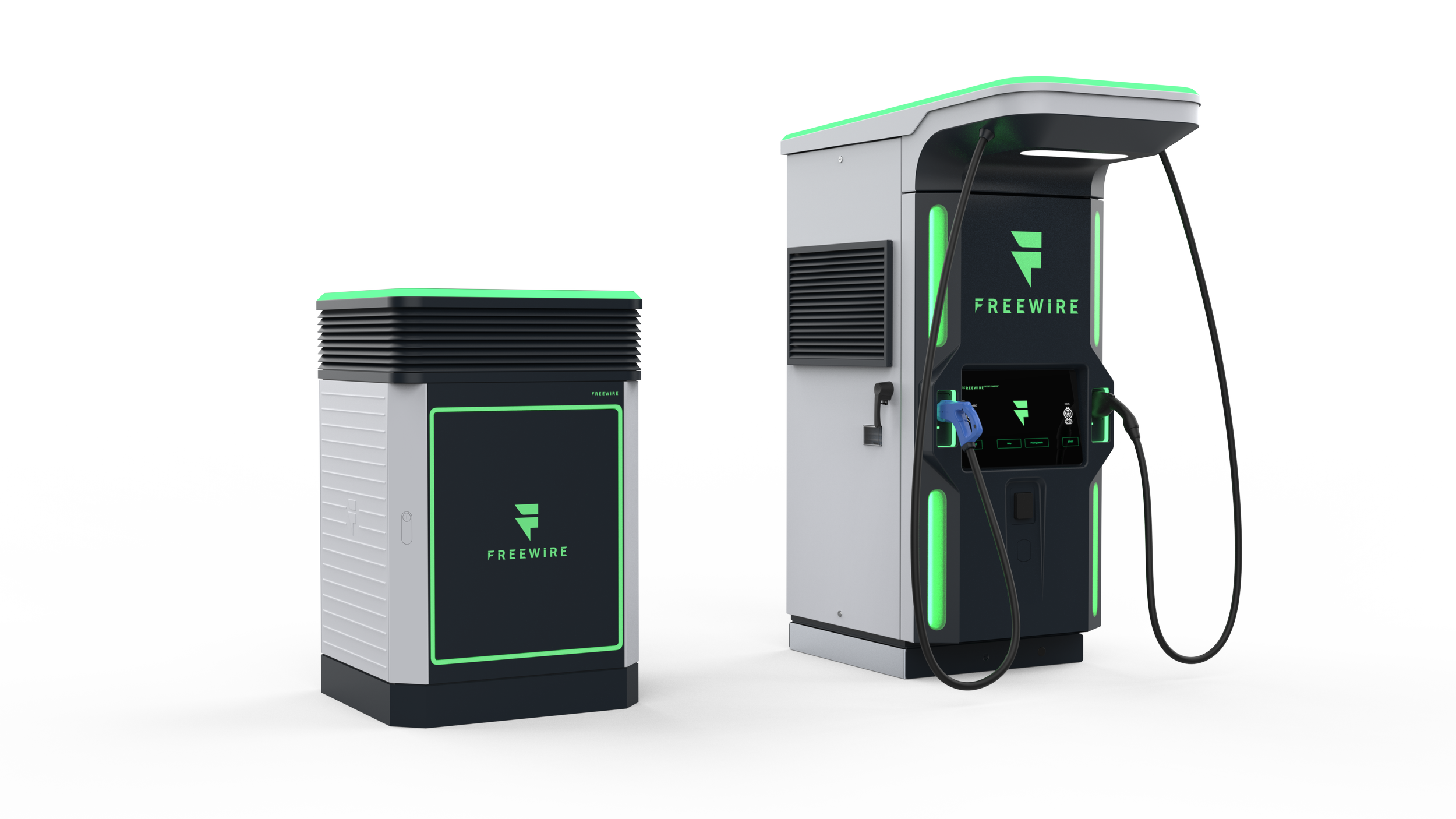
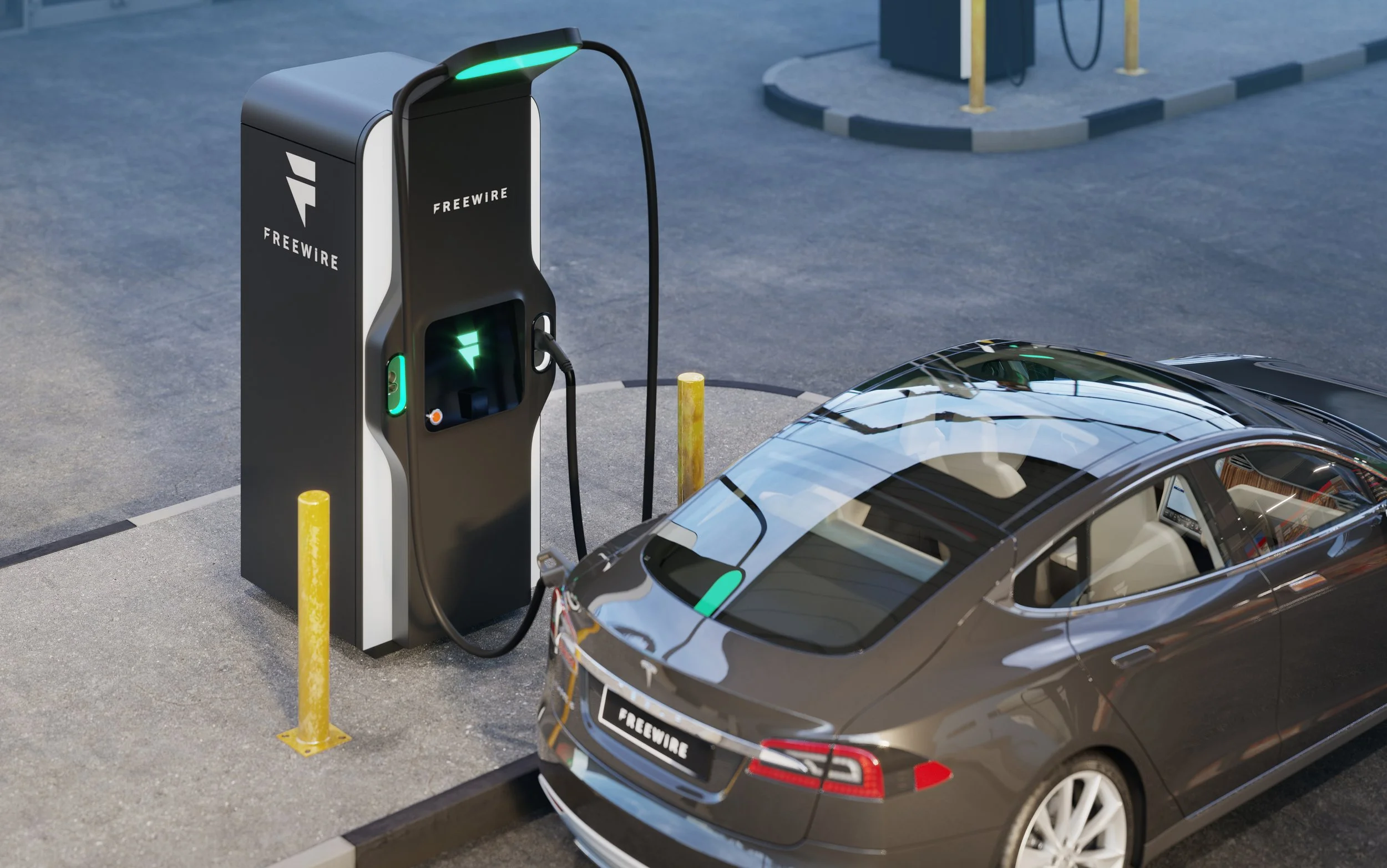
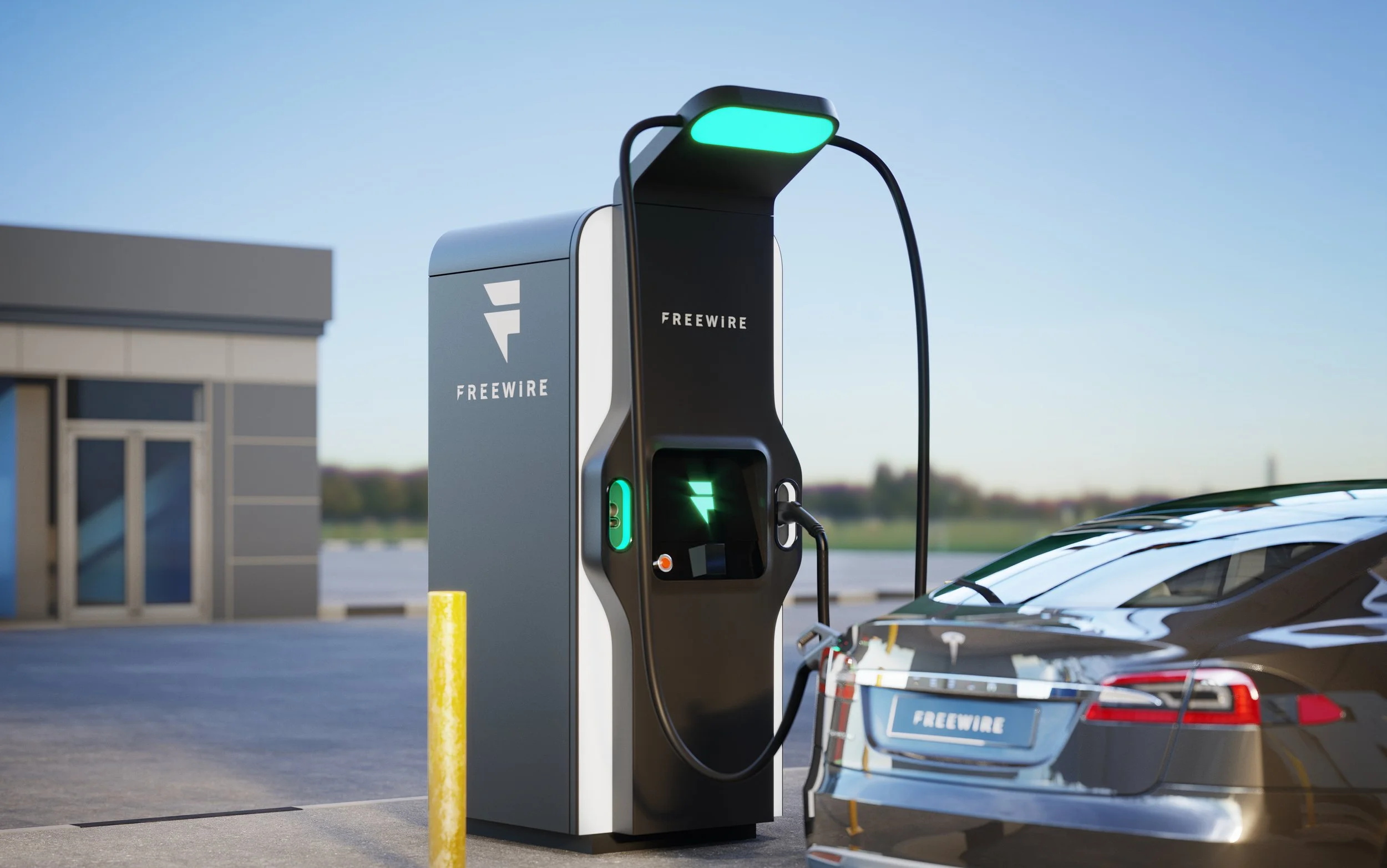
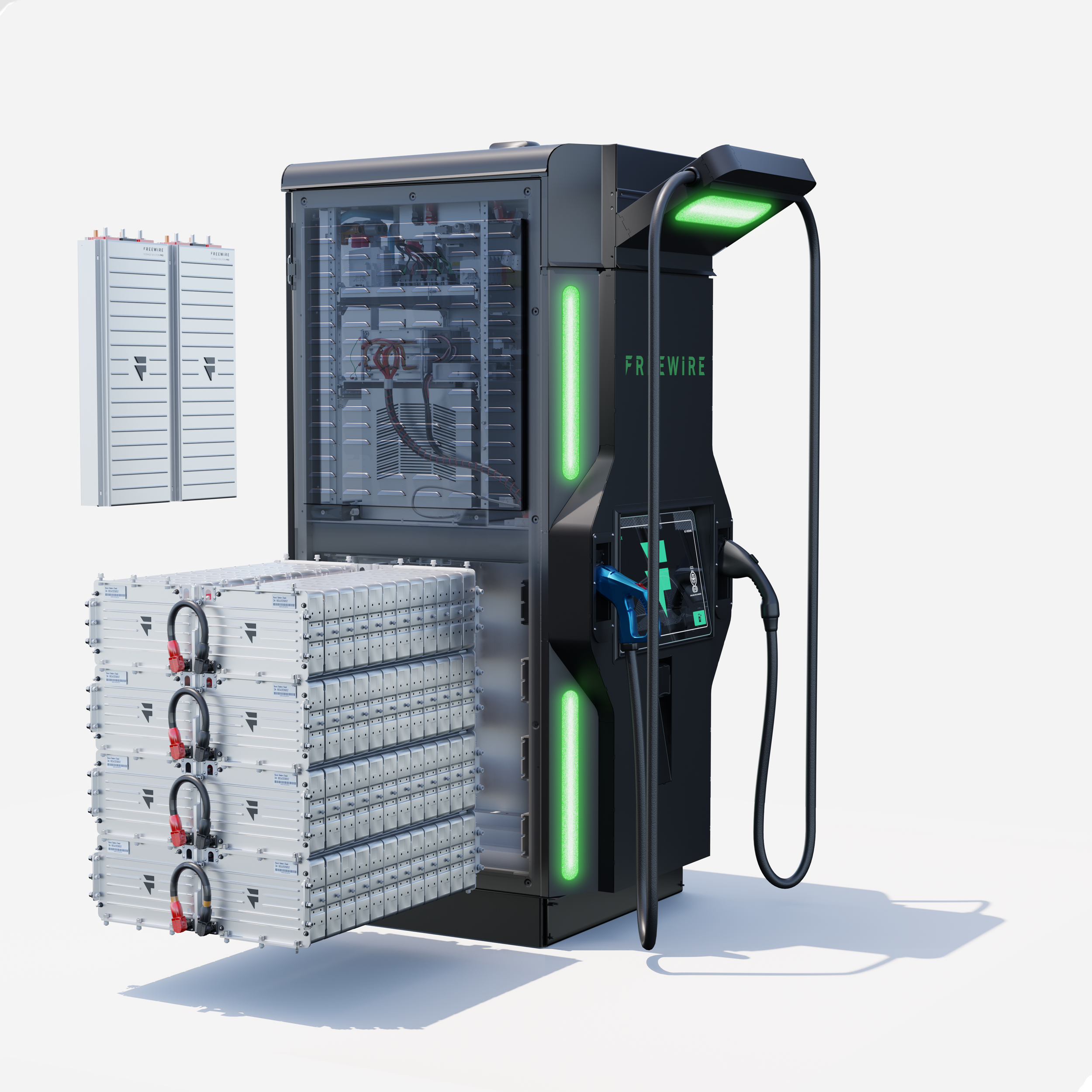
Intelligent cable management designed to accommodate various parking and vehicle configurations.
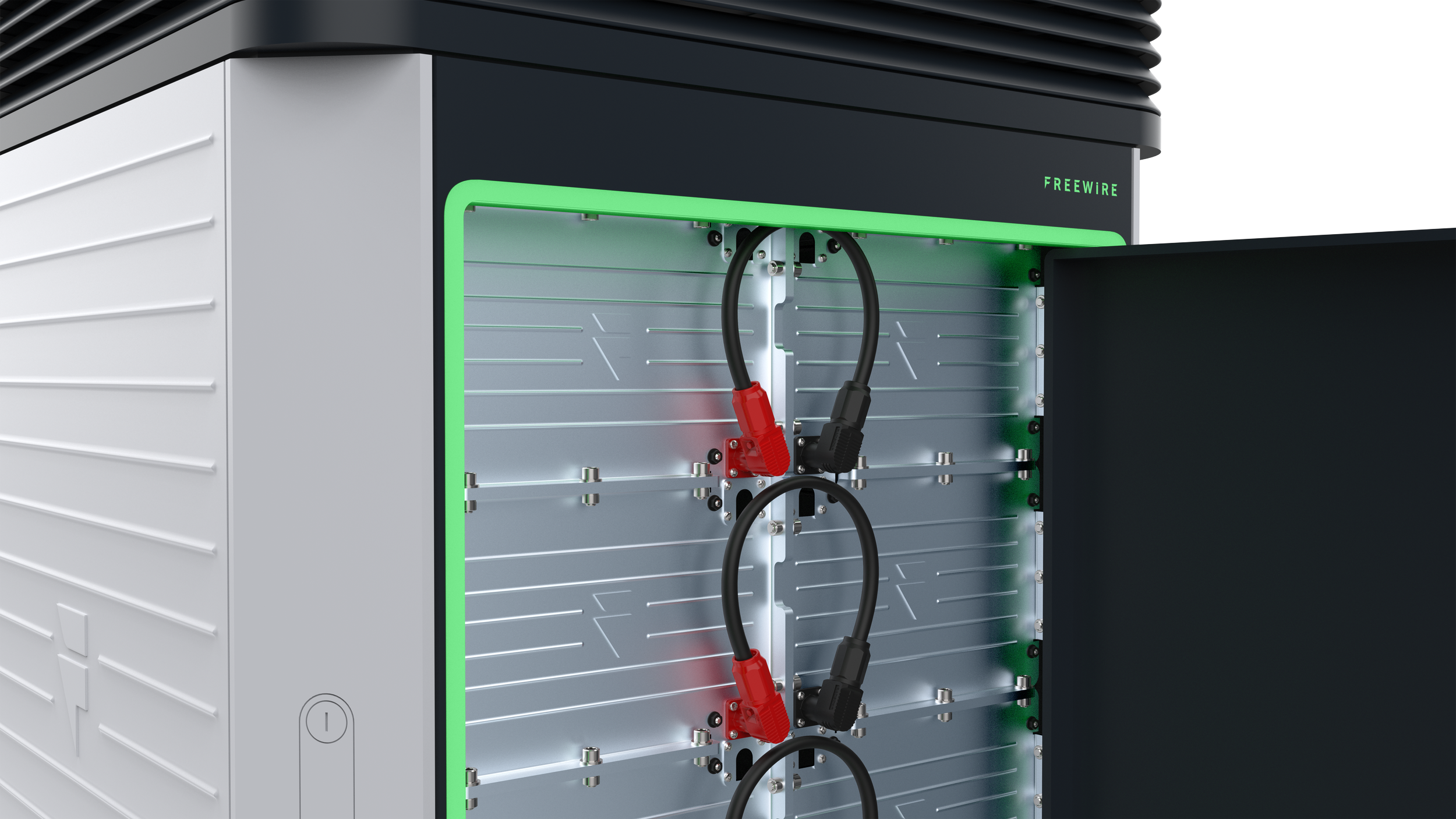
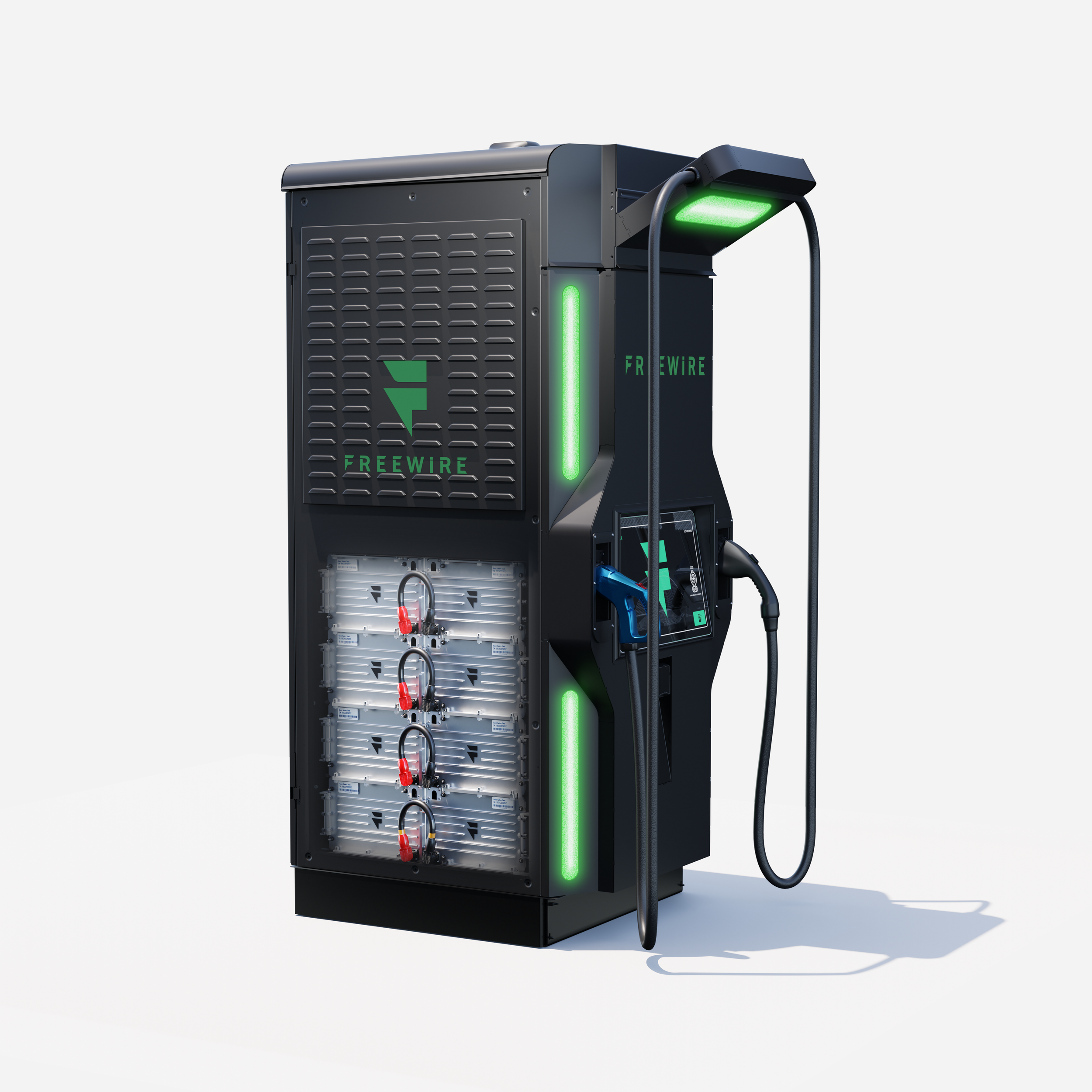
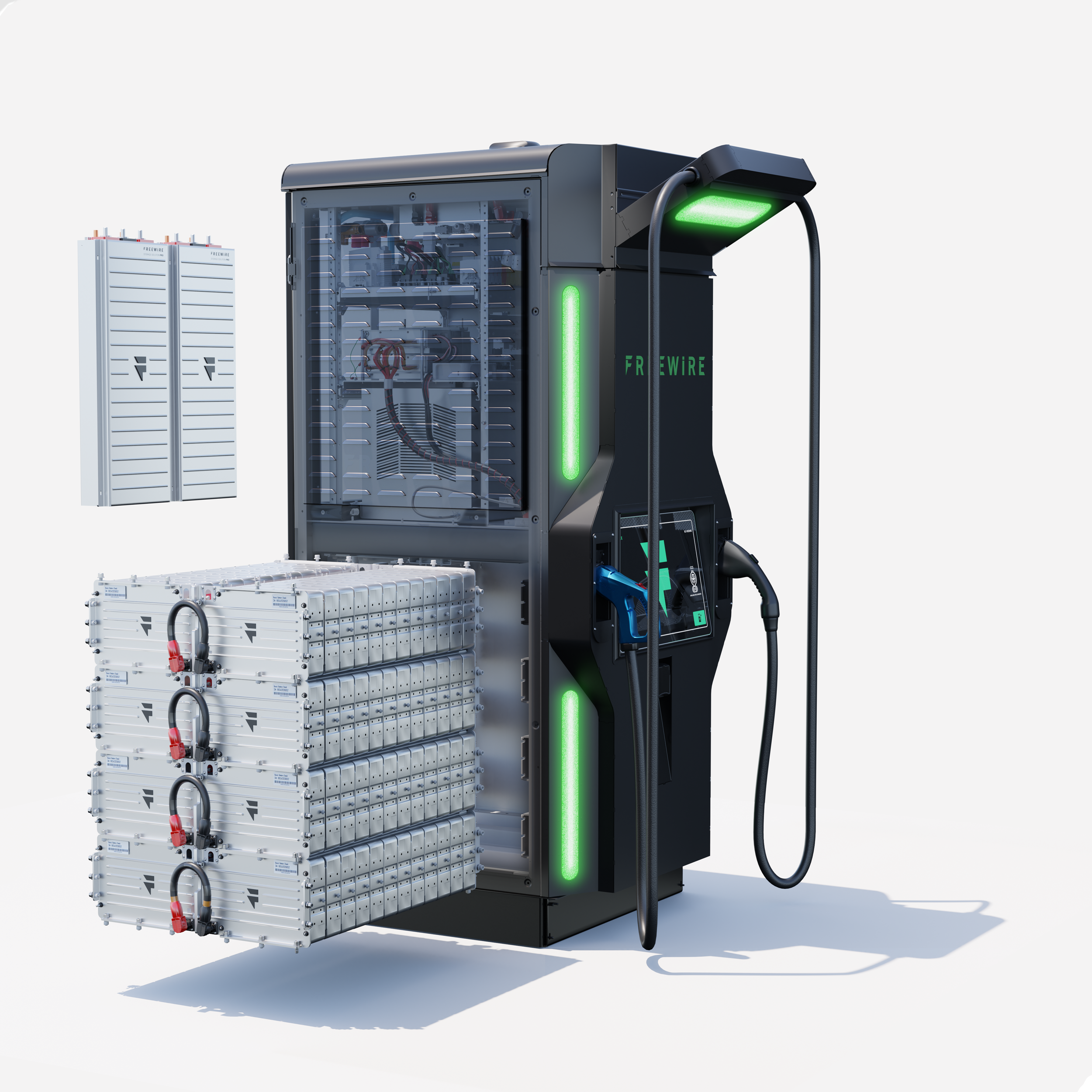
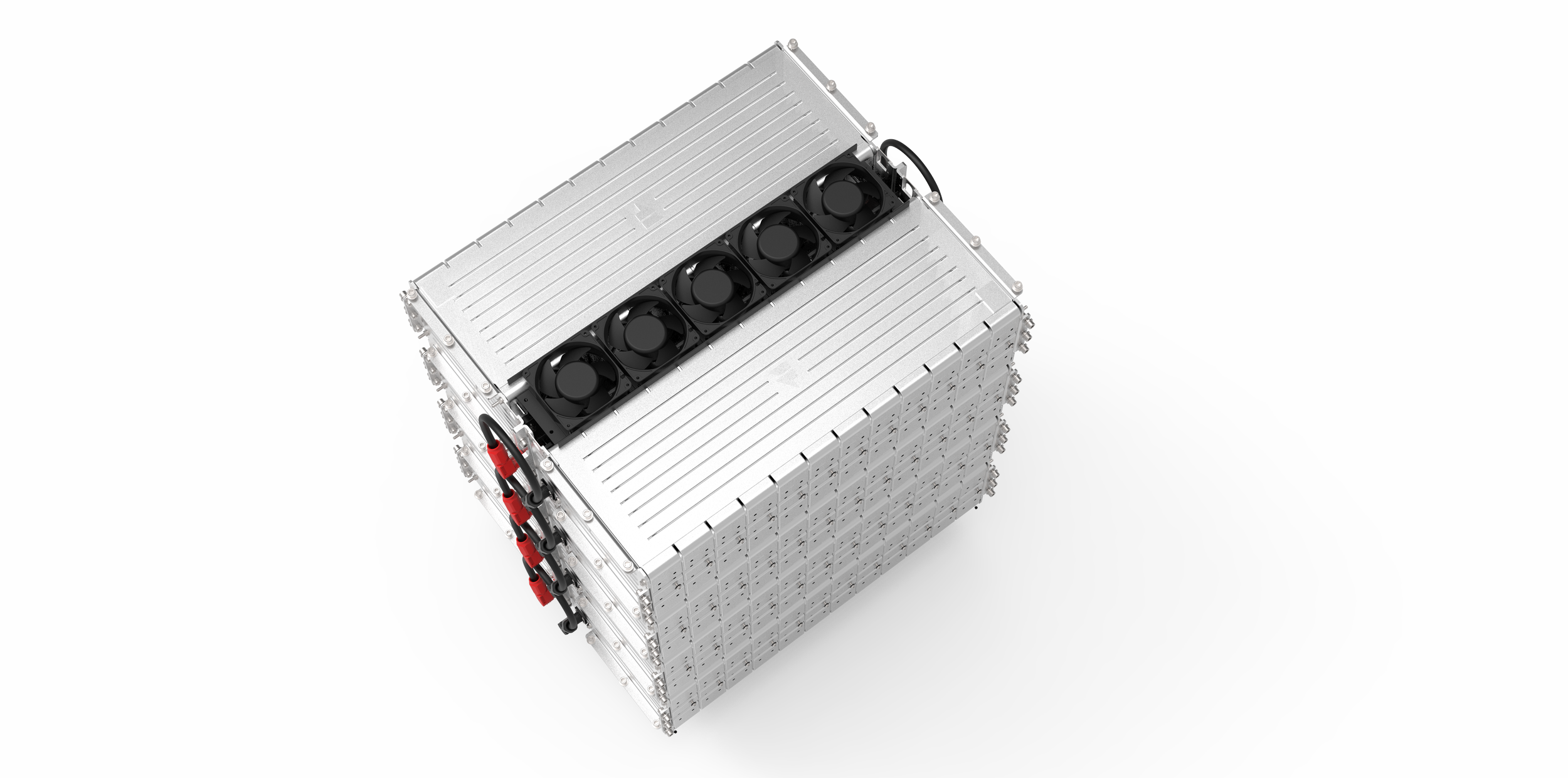
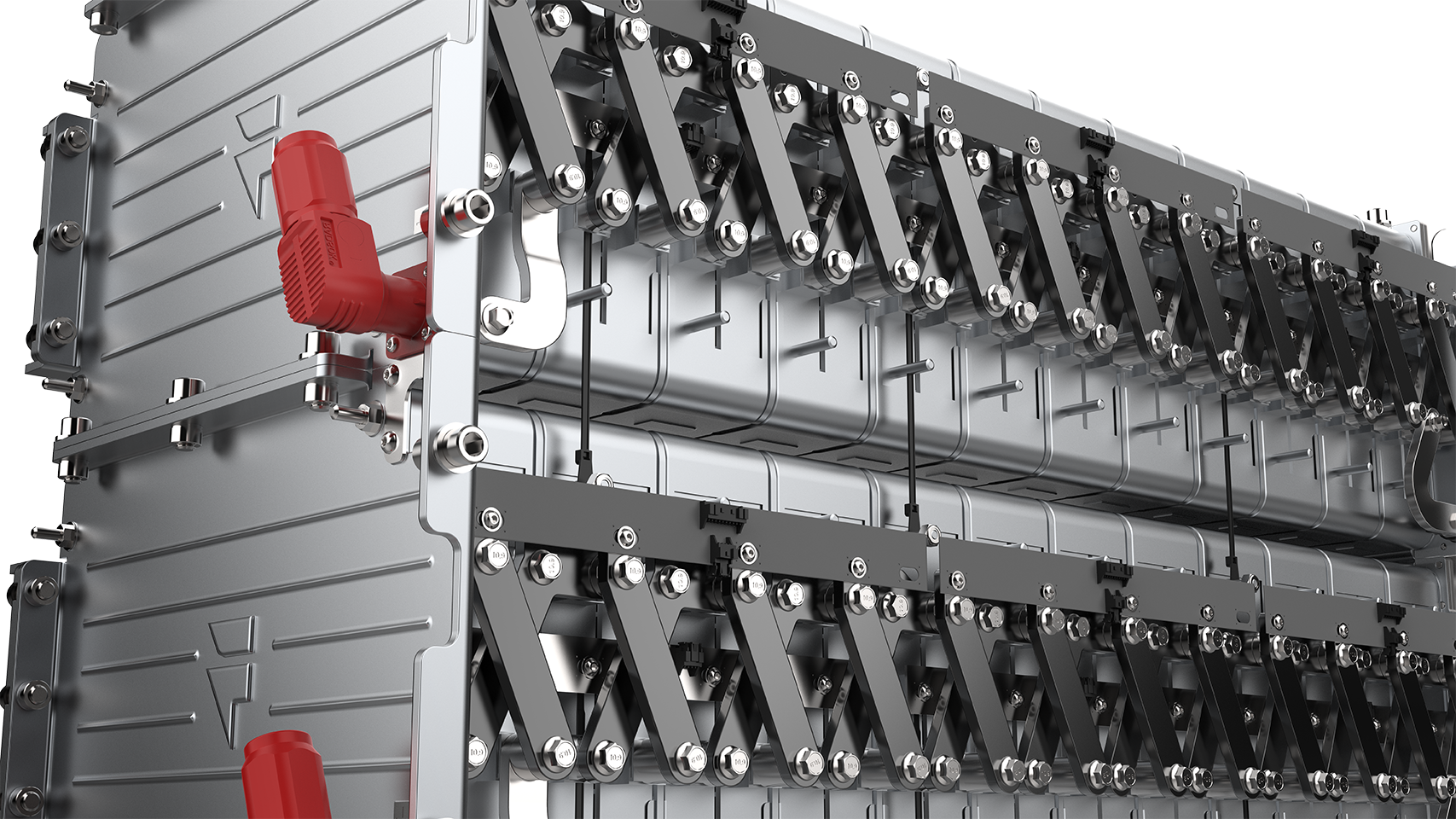
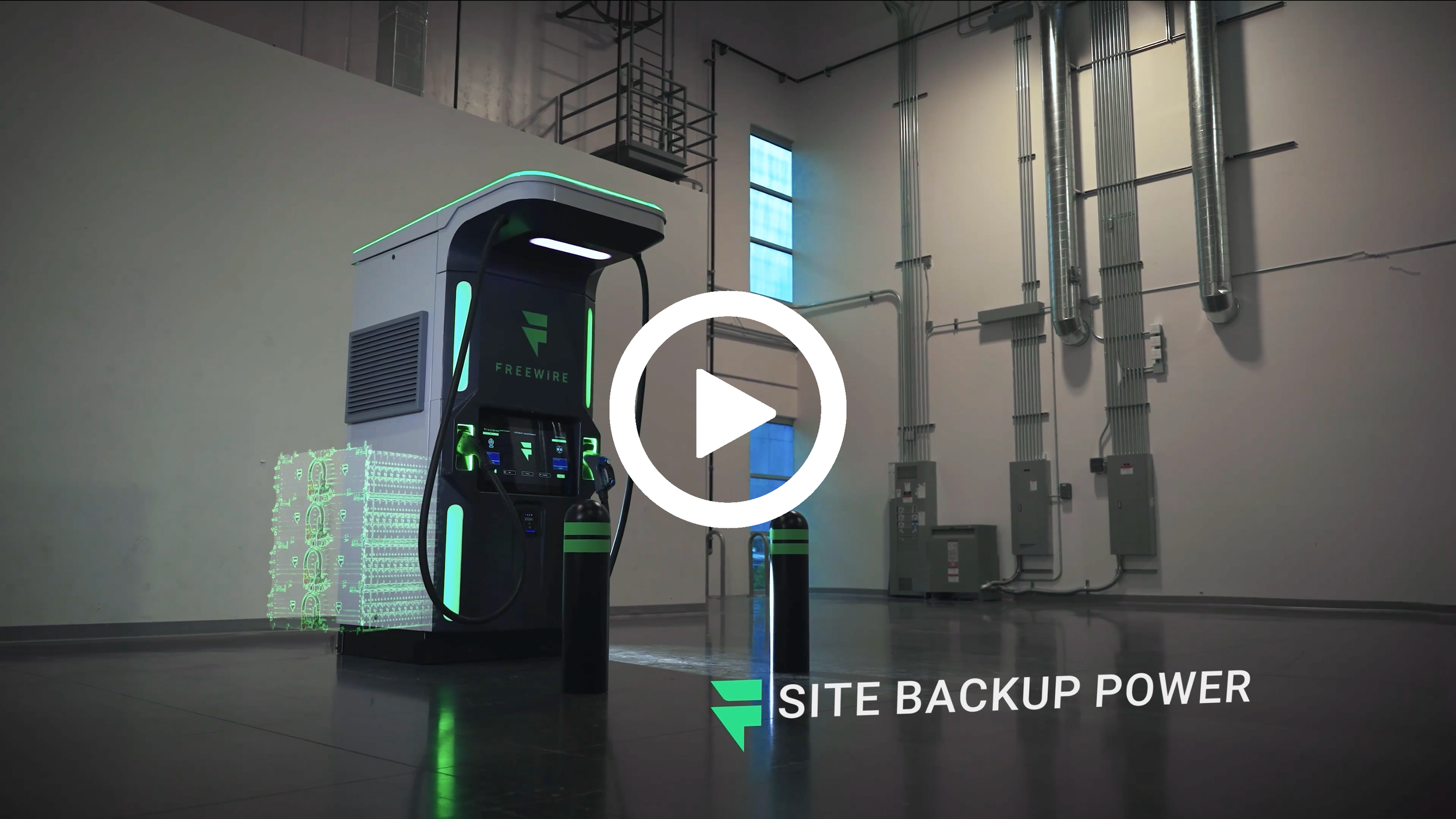
96 batteries per Cube
8 Stacks of 12 batteries each
2 Power Converters utilizing advanced Silicon Carbide (SiC) technology
5-sided access to all internal components
Side-access to modular battery design for streamlined assembly, servicing, and maintenance
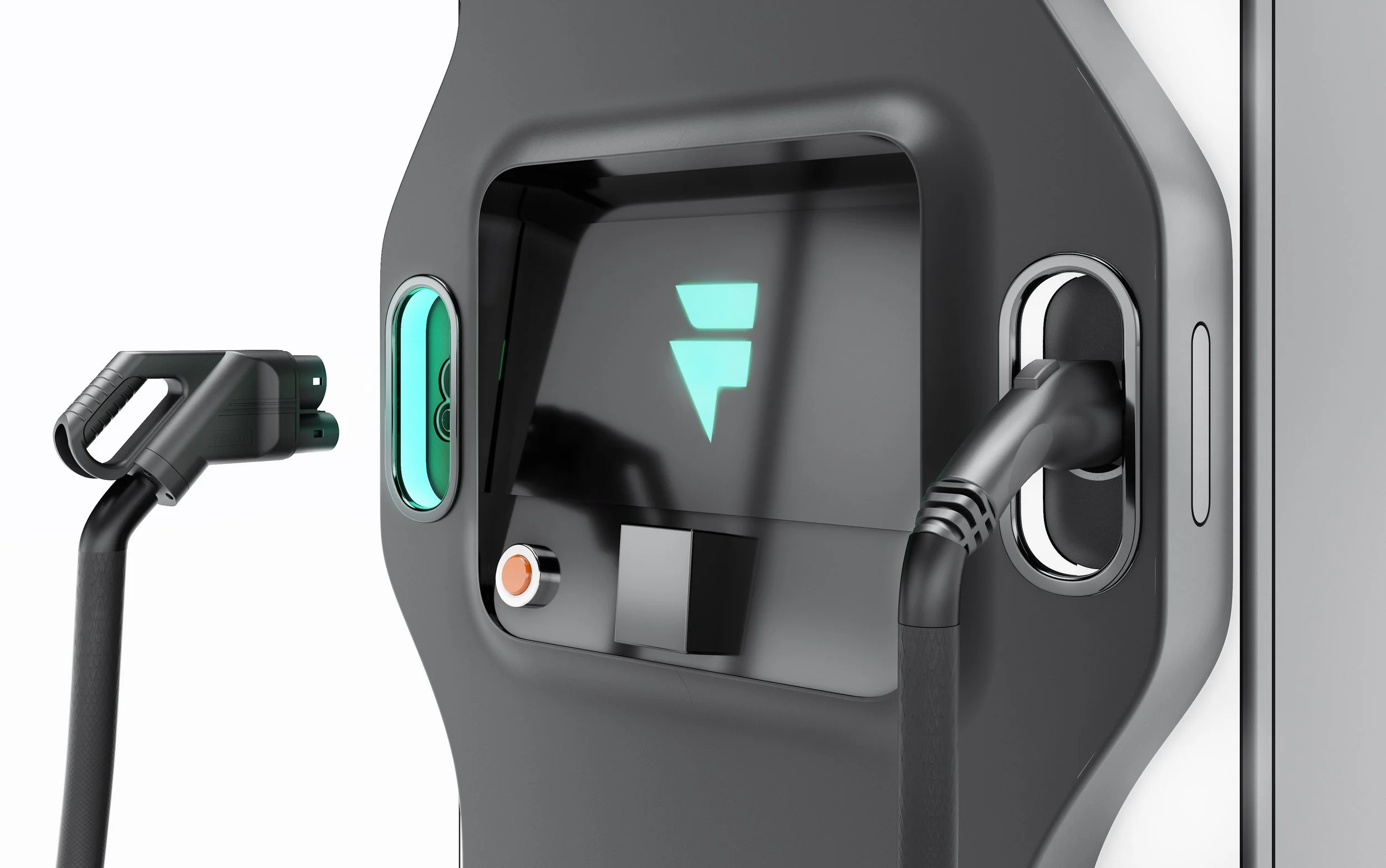
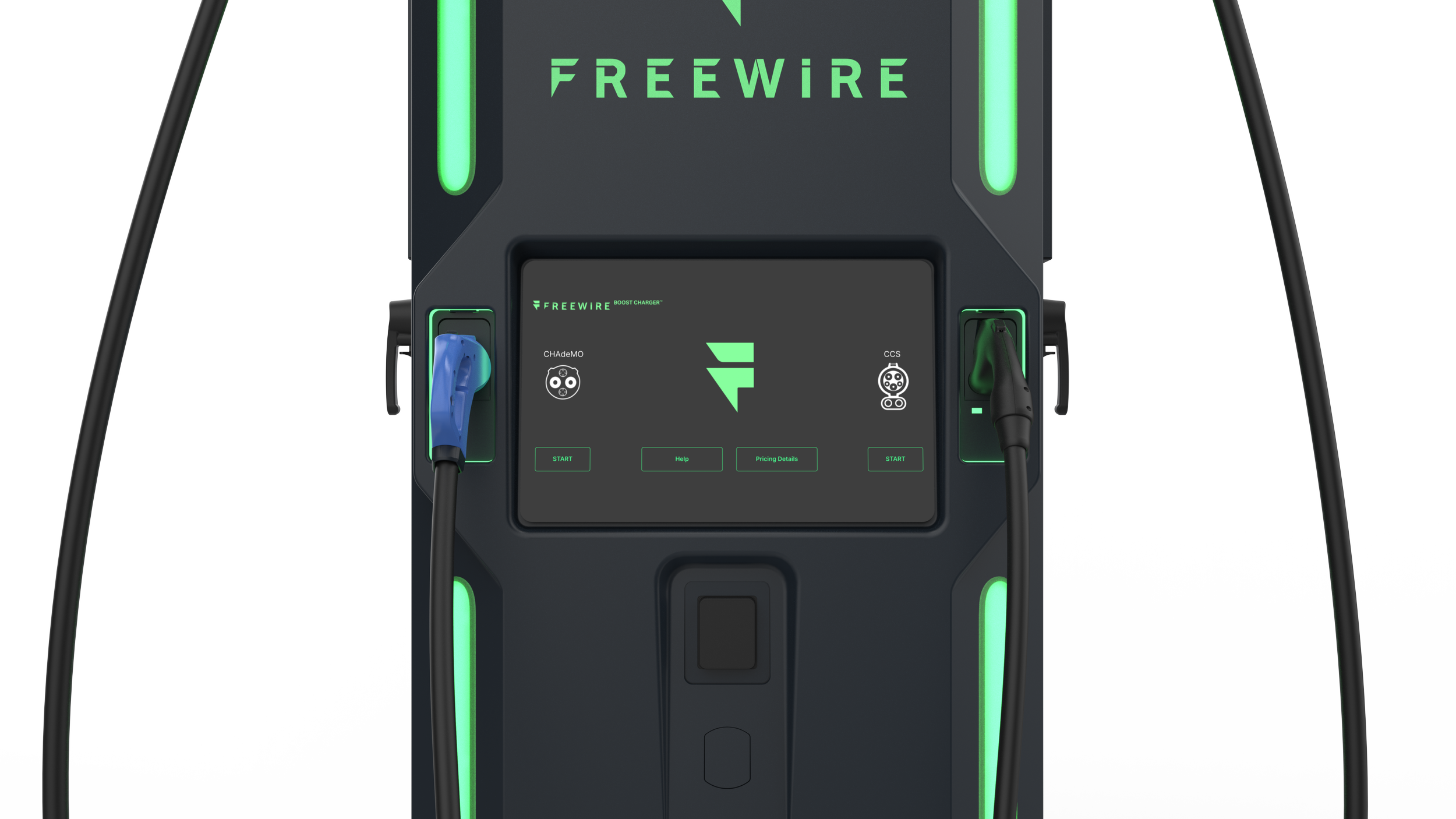
Large, ADA-compliant screen featuring integrated RFID and credit card payment options.
Unique, multi-color charge port lighting provides intuitive, real-time charging status.


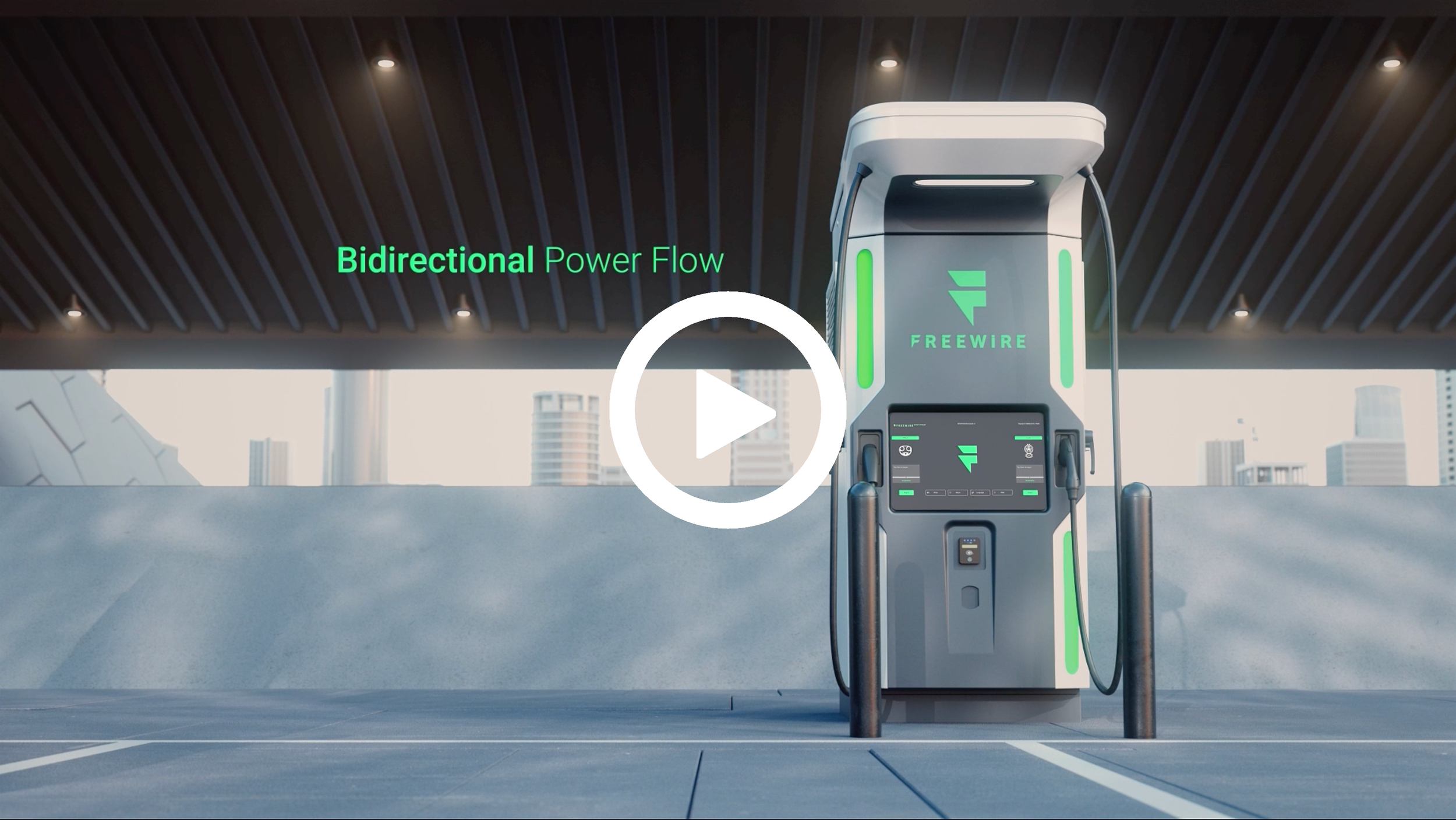
BoostCharger video
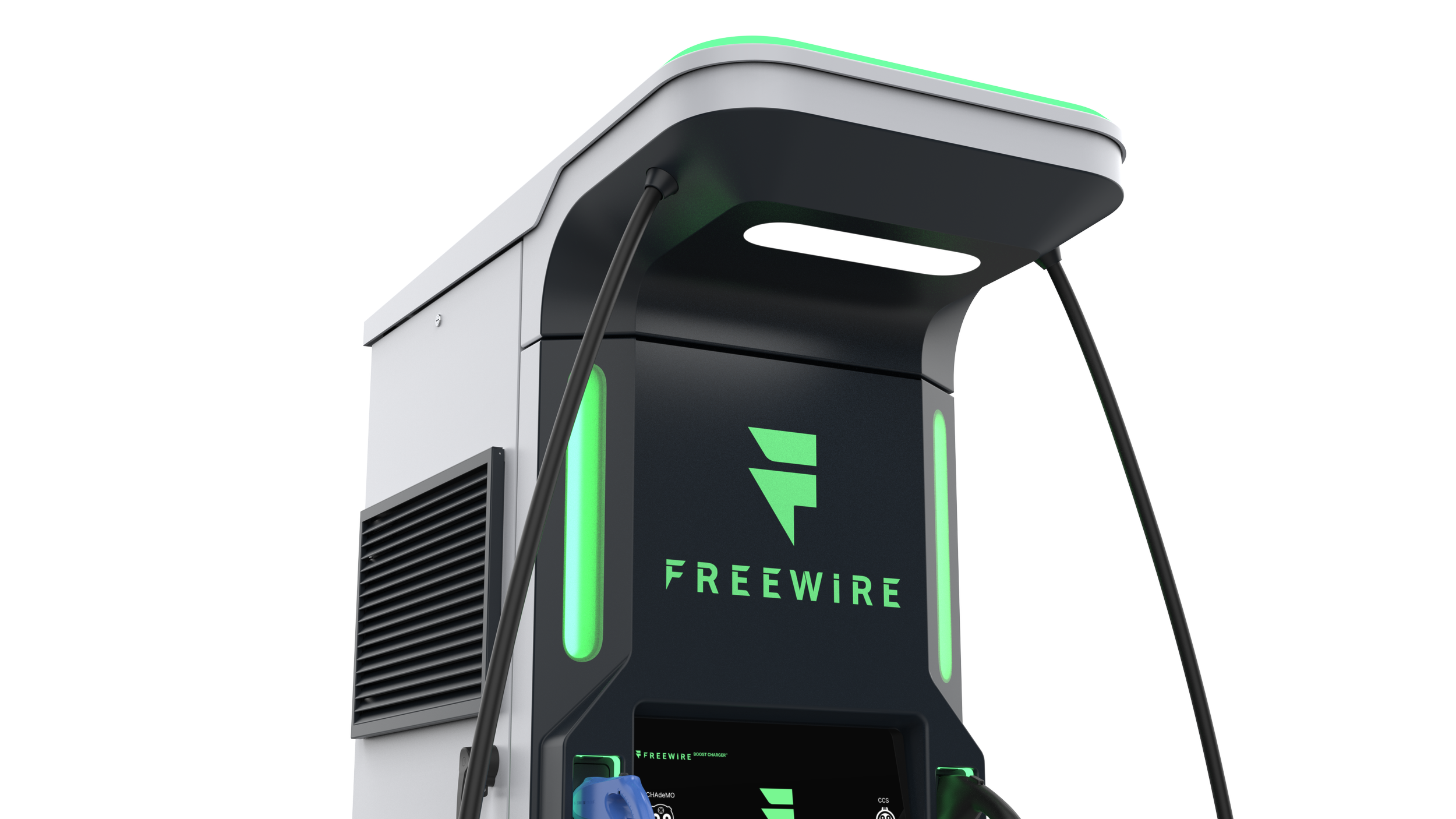
BoostCharger PRO
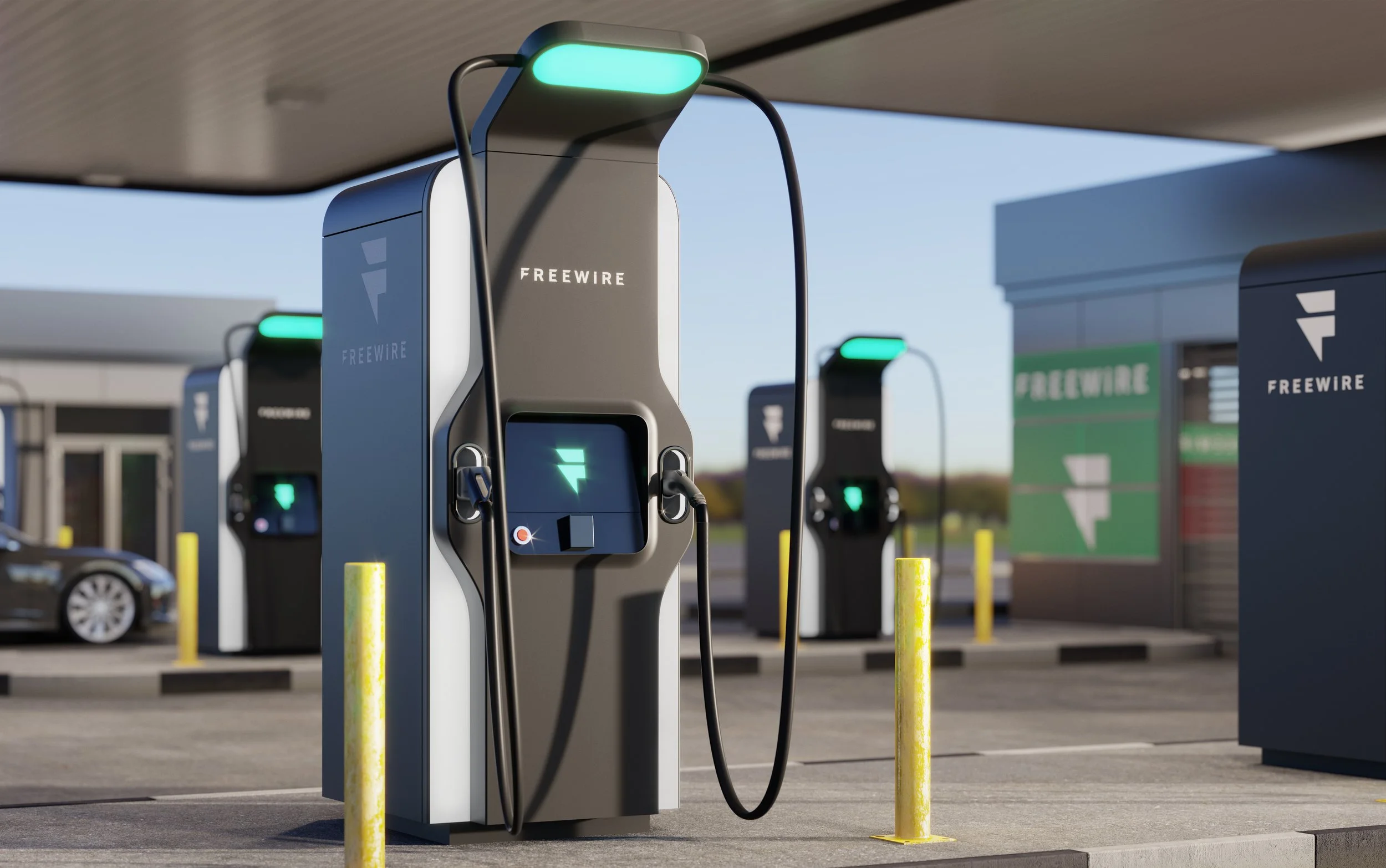
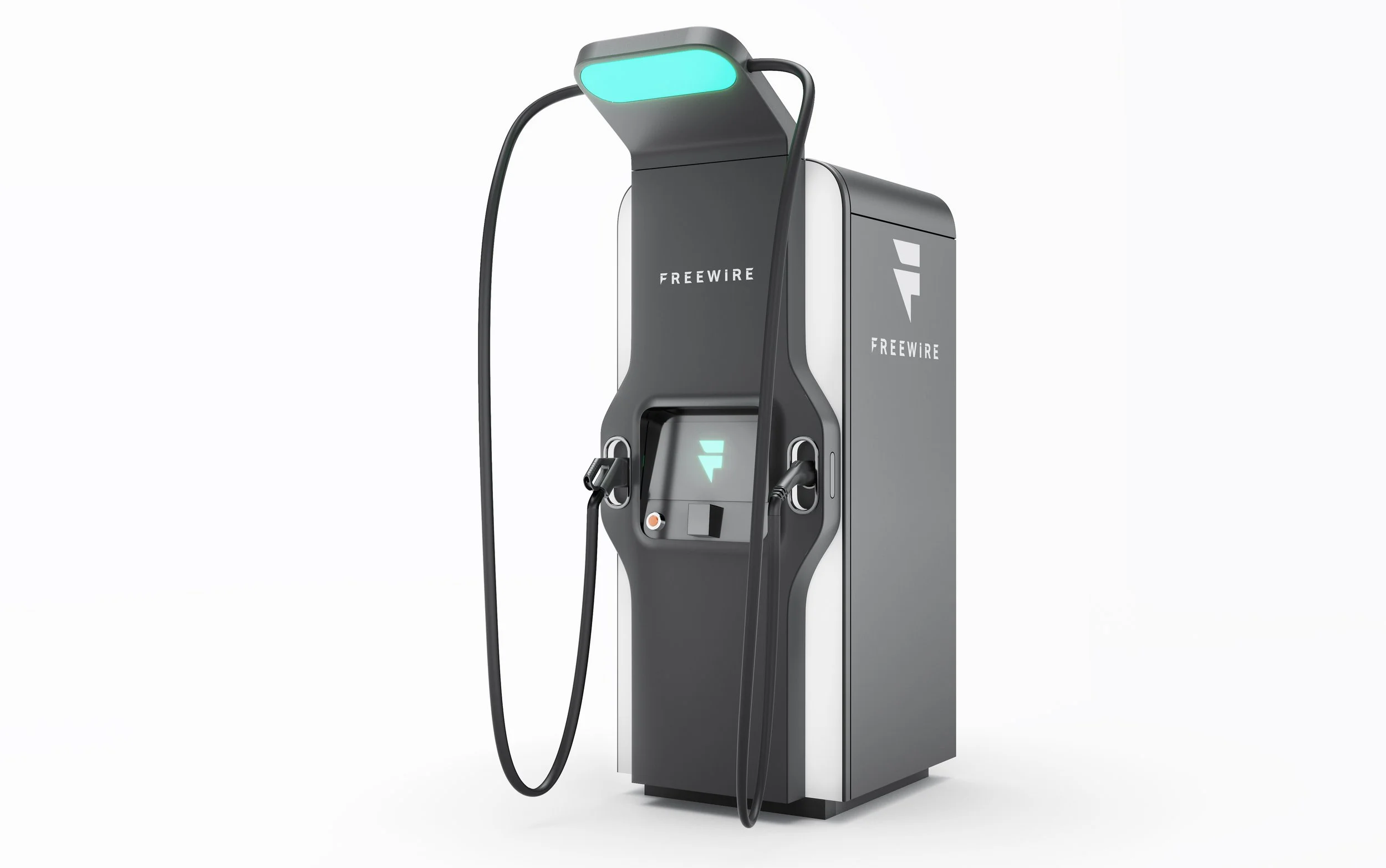
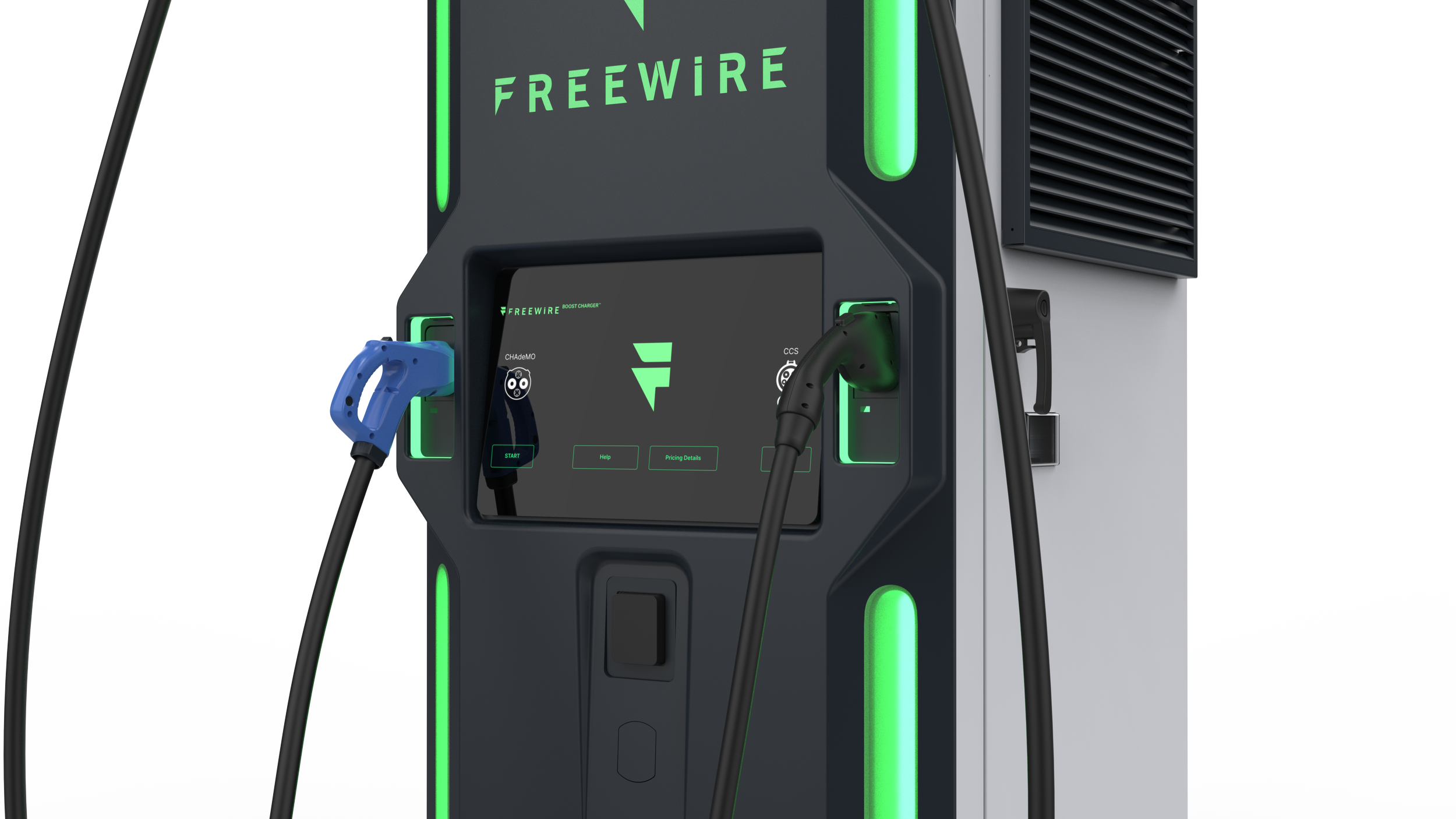
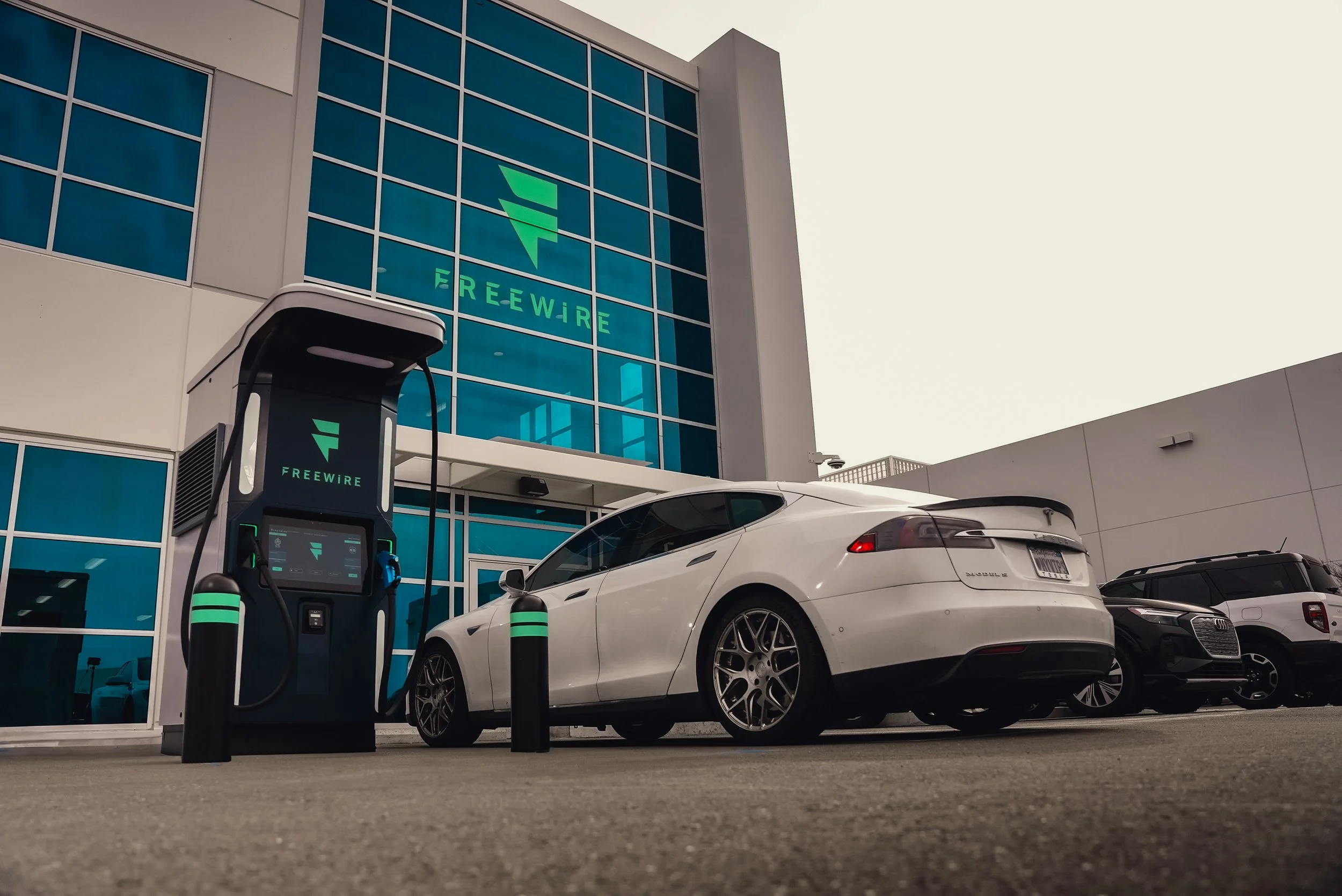
The BoostCharger PRO represents a powerful evolution of the original, featuring enhanced dual-charging capabilities for CHAdeMO and CCS, alongside an upgraded payment system. To balance premium durability with manufacturing efficiency, we replaced traditional sheet metal with a lightweight, impact-resistant RIM (Reaction Injection Molding) front panel.
To accommodate additional internal components, we designed a signature overhang. This integrated architectural feature not only houses the critical hardware but also optimizes cable management—bringing the cable exit points closer to the vehicle for a more seamless user experience.
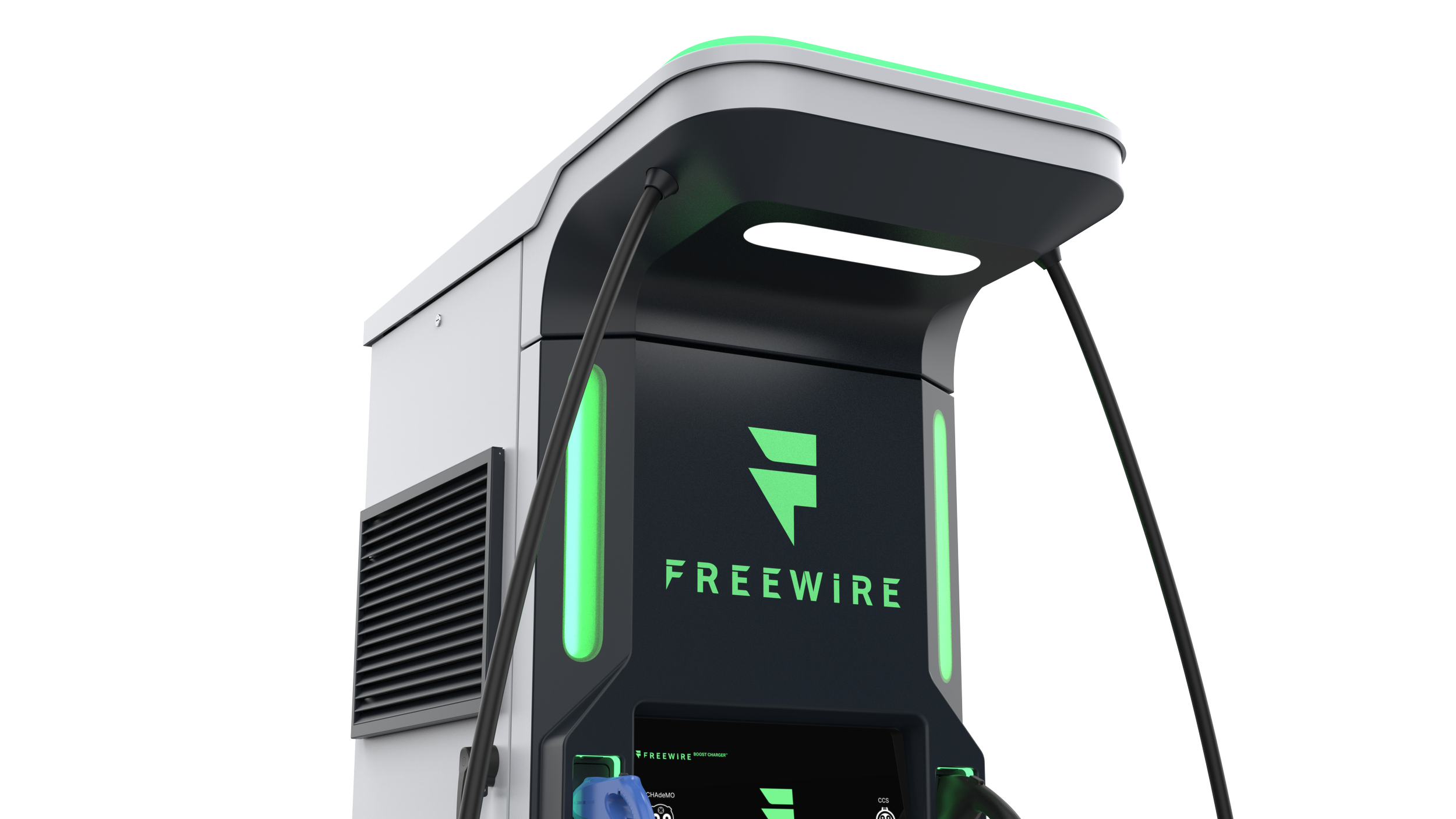
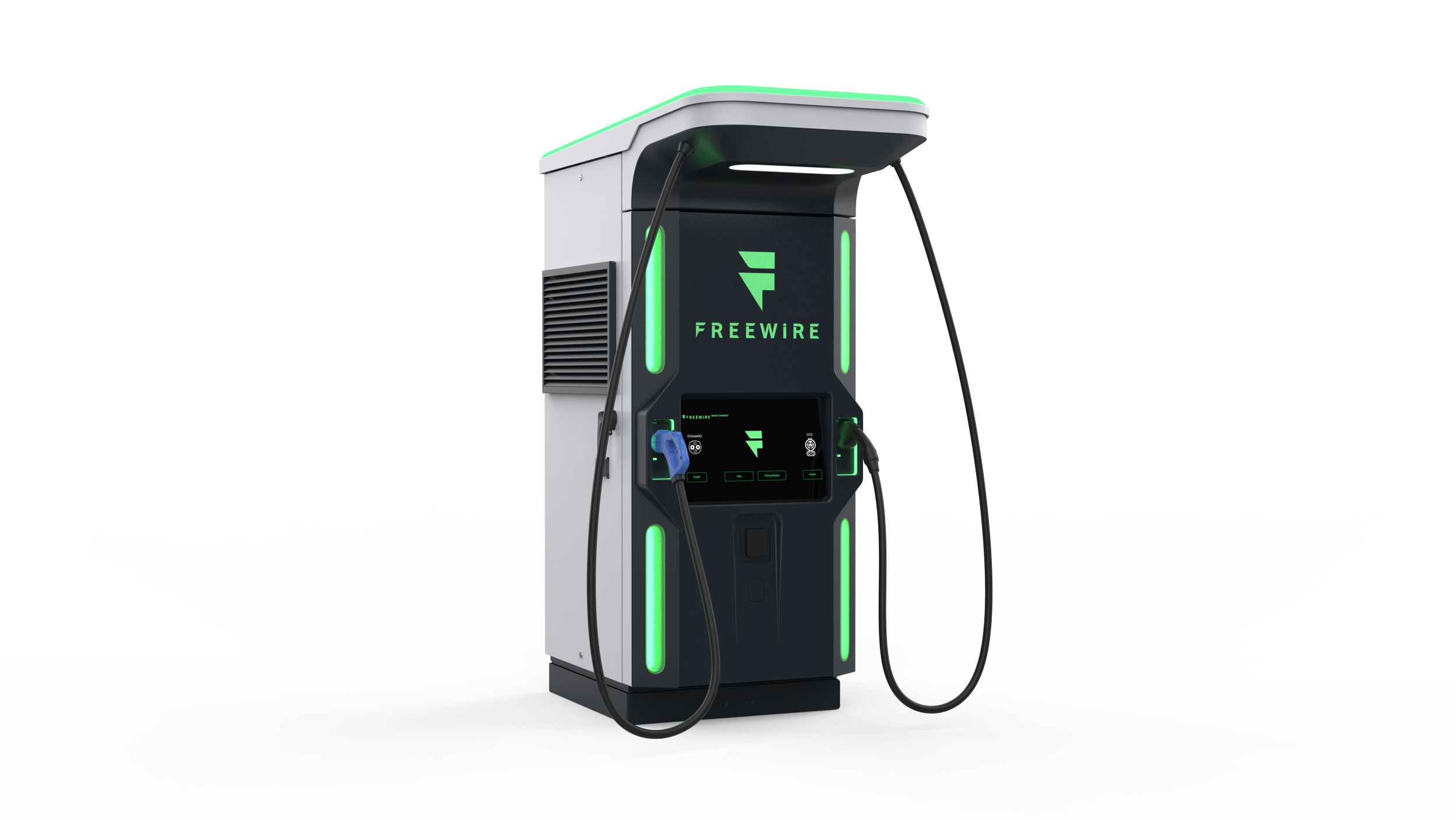
BoostCharger PRO Introduction
BoostCharger PRO Series
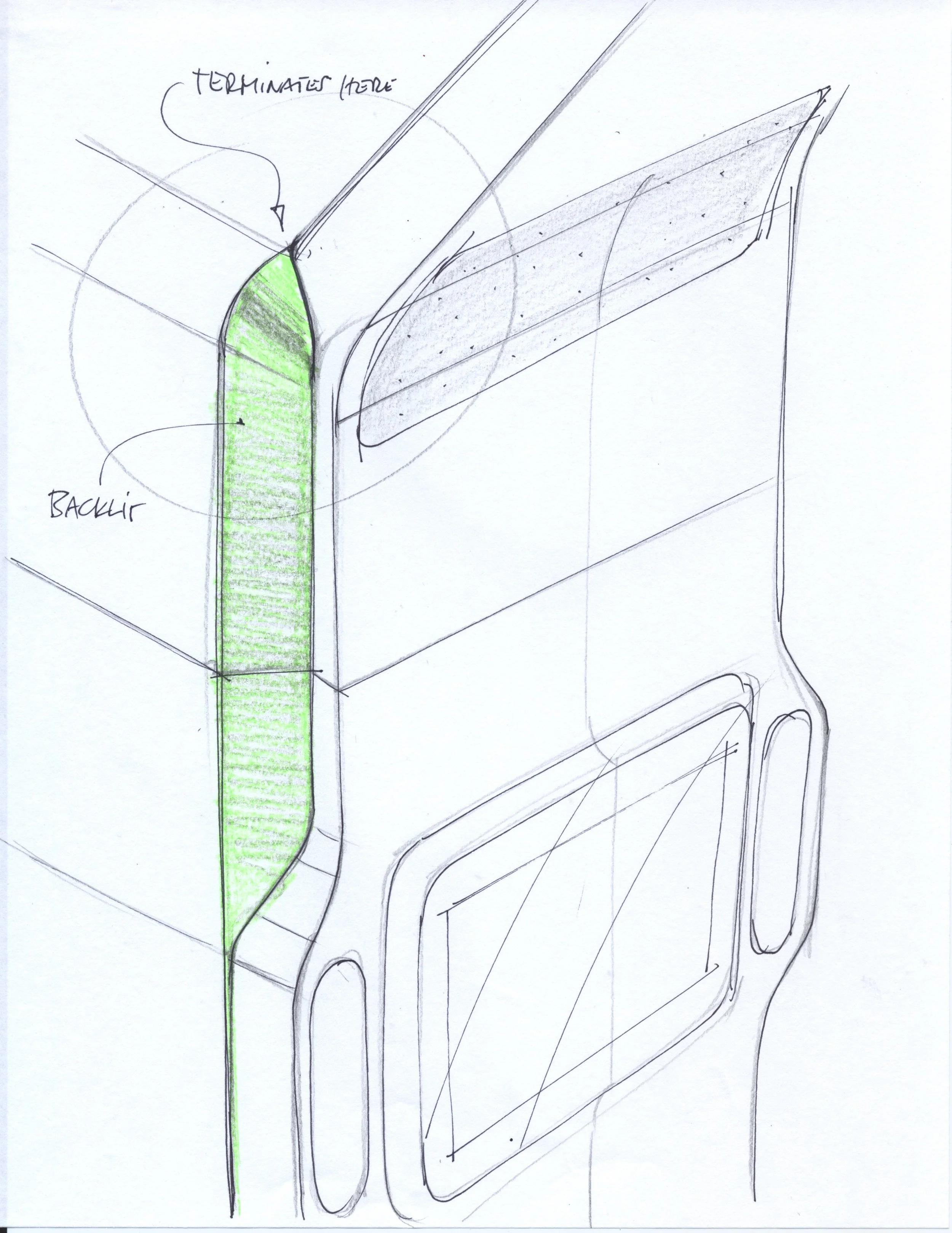
FreeWire Technologies Boost ChargerThe Design Challenge -
Traditional electric vehicle fast-charging systems pose major infrastructure and operational hurdles, typically requiring costly construction (trenching), lengthy permitting processes, and expensive grid upgrades to connect. Because conventional chargers draw high amounts of power directly from the grid, they frequently trigger expensive demand charges and restrict site efficiency, making it highly impractical to install multiple chargers on a single standard connection. Furthermore, typical charging station designs present physical and usability challenges, such as cables dragging on the ground, complicated maintenance processes, interfaces that are inaccessible to some users, and unclear charging status indicators. Chargers are often difficult to identify from afar, making it a challenge for drivers to confirm station status and availability before entering the charging area.
The Design Solution -
The FreeWire Boost Charger solves these issues by integrating a 160 kWh battery directly into a 120 kW DC fast-charging unit that can easily connect to existing electrical infrastructure. This energy-buffering design allows the system to recharge from standard, low-power single-phase or three-phase grid connections at up to 22 kW—enabling up to six units to utilize the same connection as one conventional charger, reducing installation costs by up to 40%, and eliminating expensive peak-demand charges. To optimize physical usability, the unit features an intelligent cable management system that accommodates various parking configurations while keeping cables off the ground, alongside a side-access modular battery design for easy maintenance. Finally, the design prioritizes user experience with dual ports for simultaneous charging, multi-color status lighting paired with a high-visibility beacon, and an ADA-compliant screen equipped with credit card and RFID payment options.
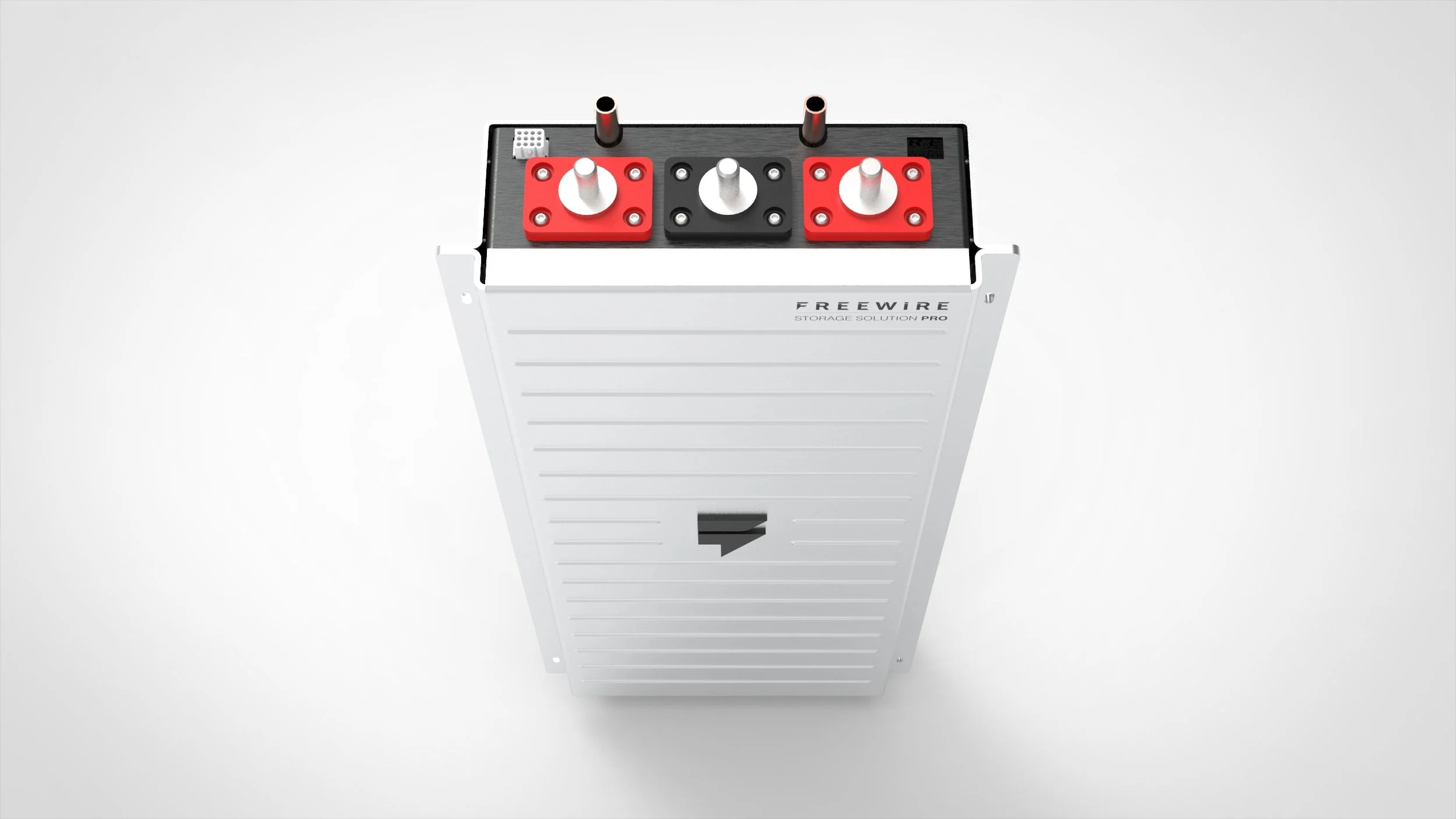
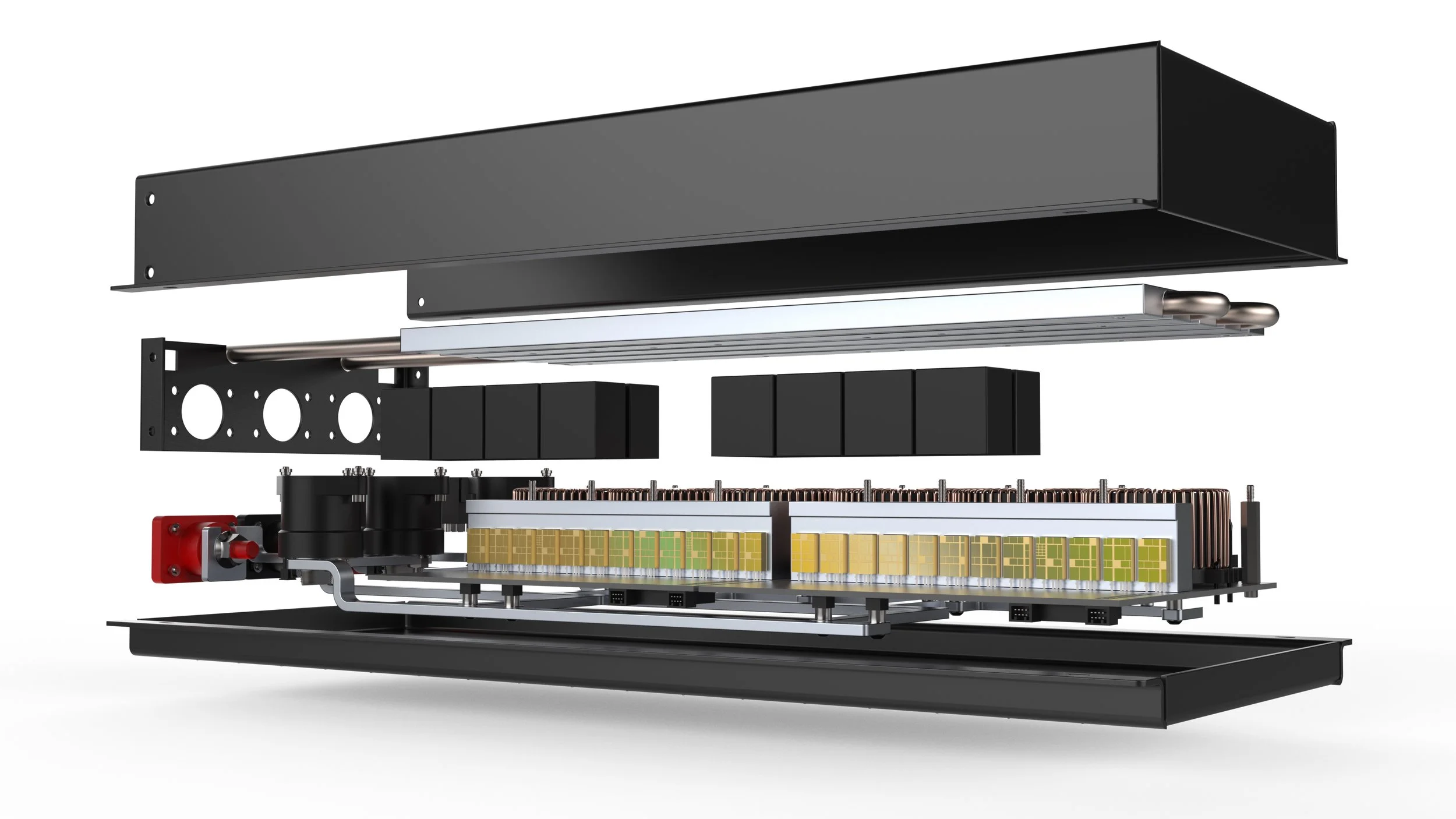
Internal Components
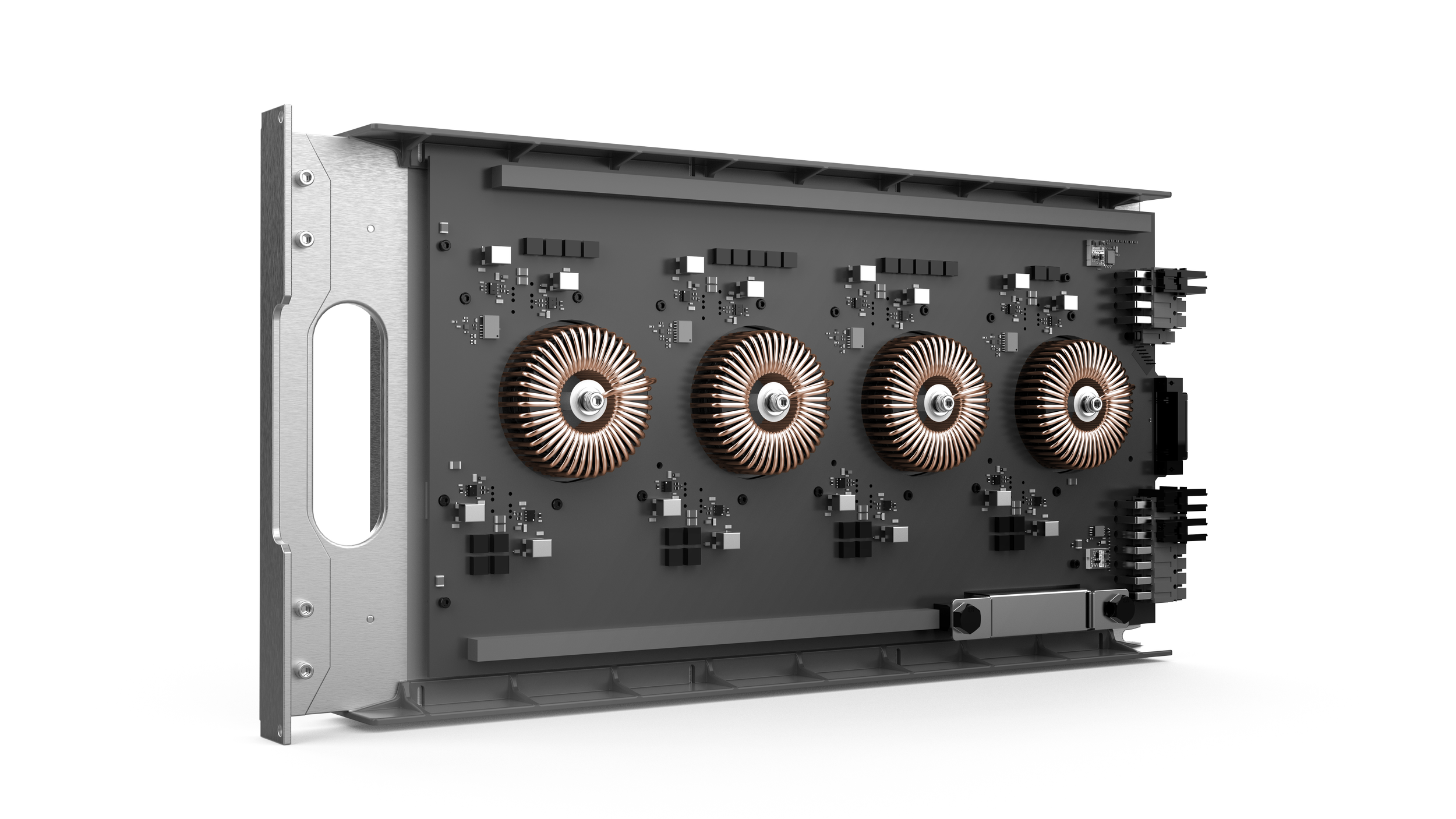
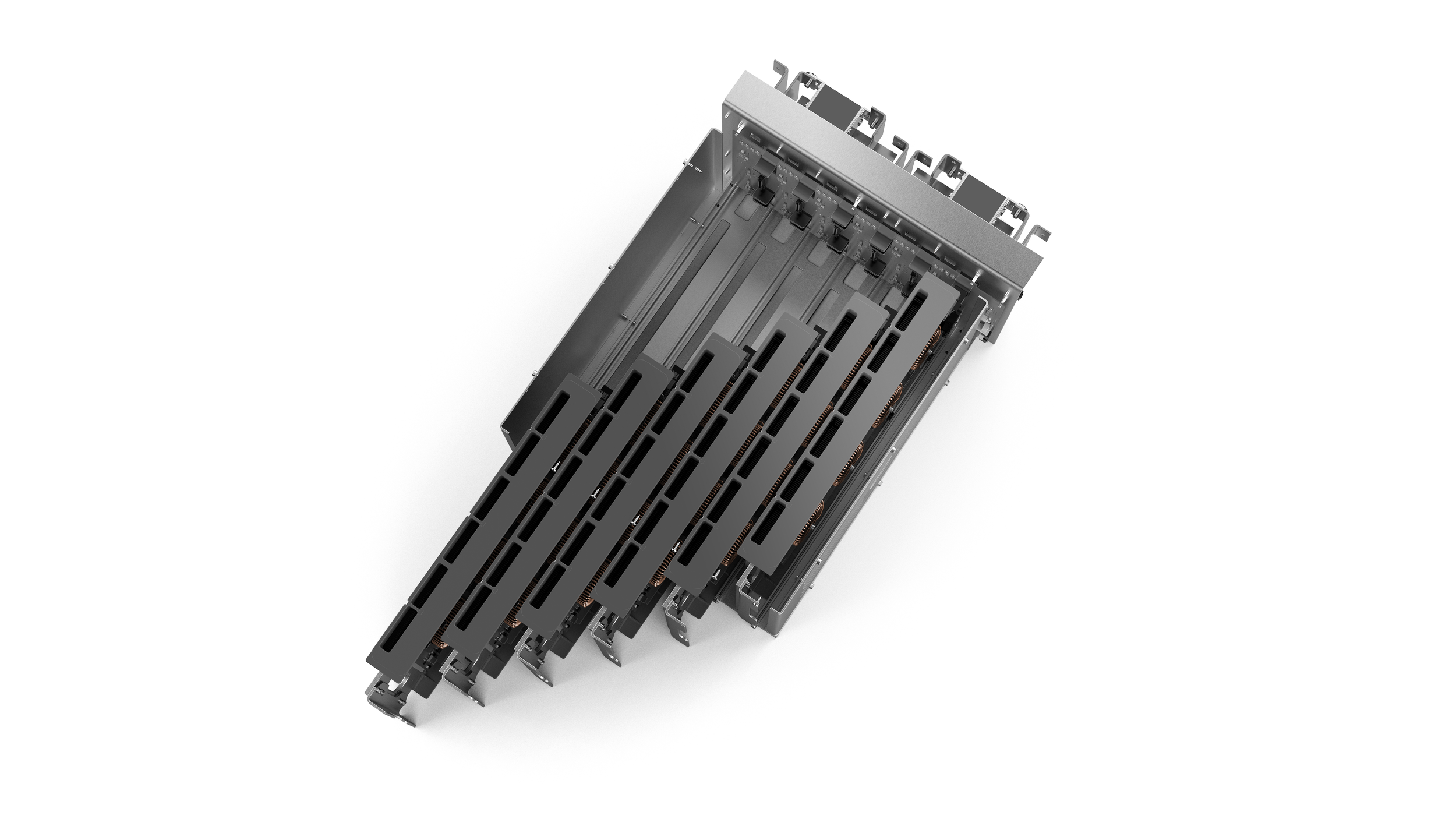
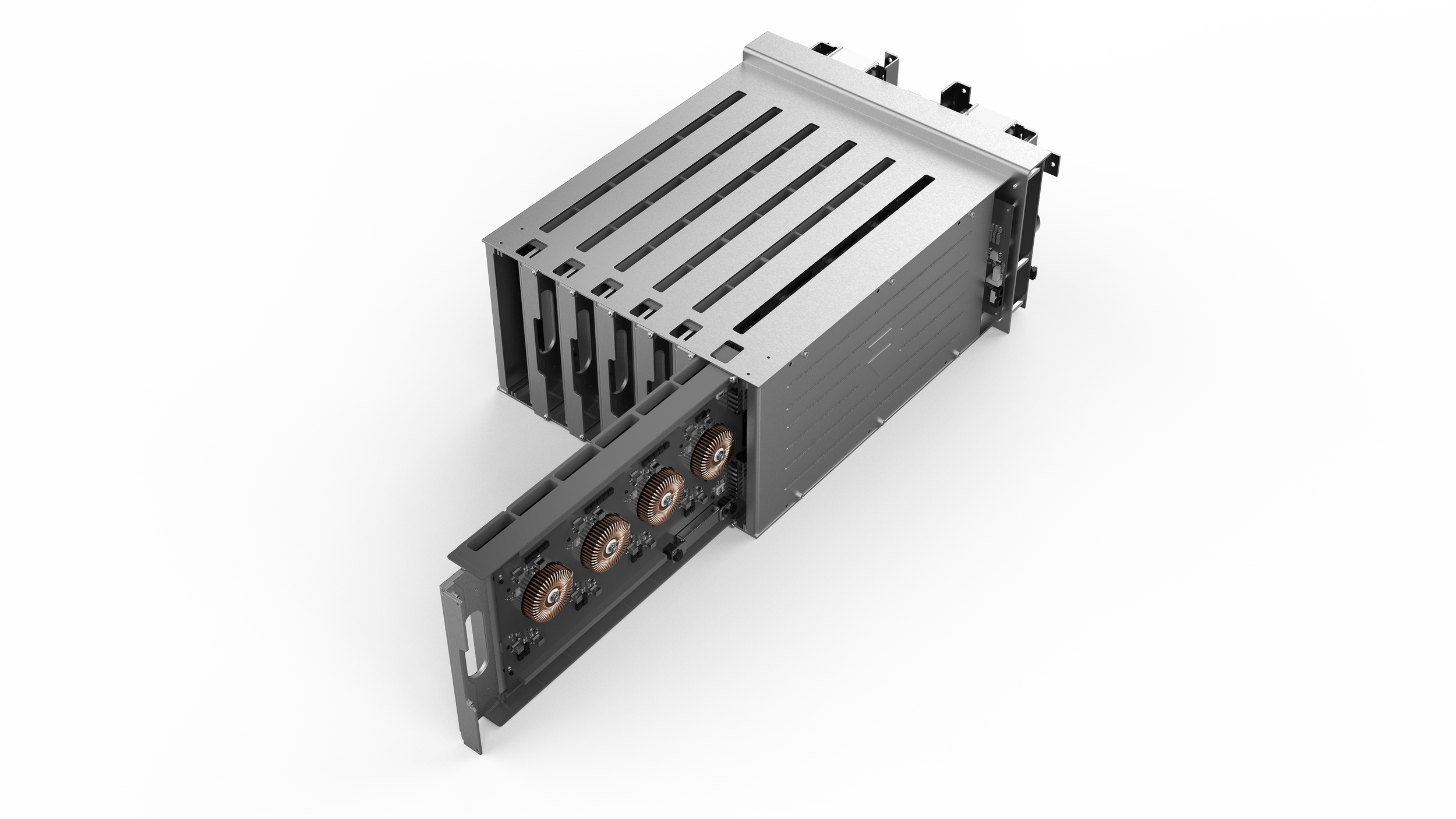
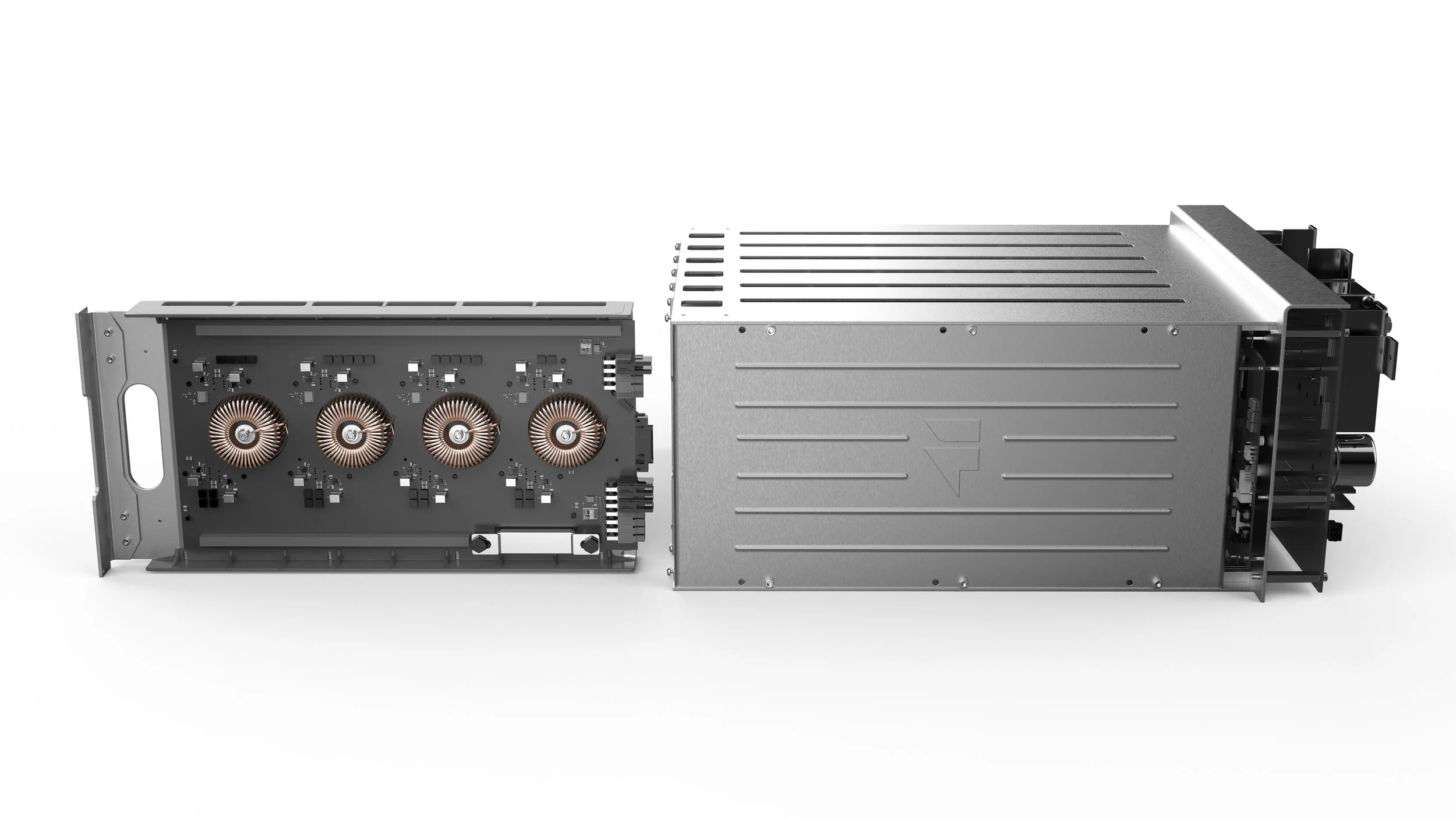
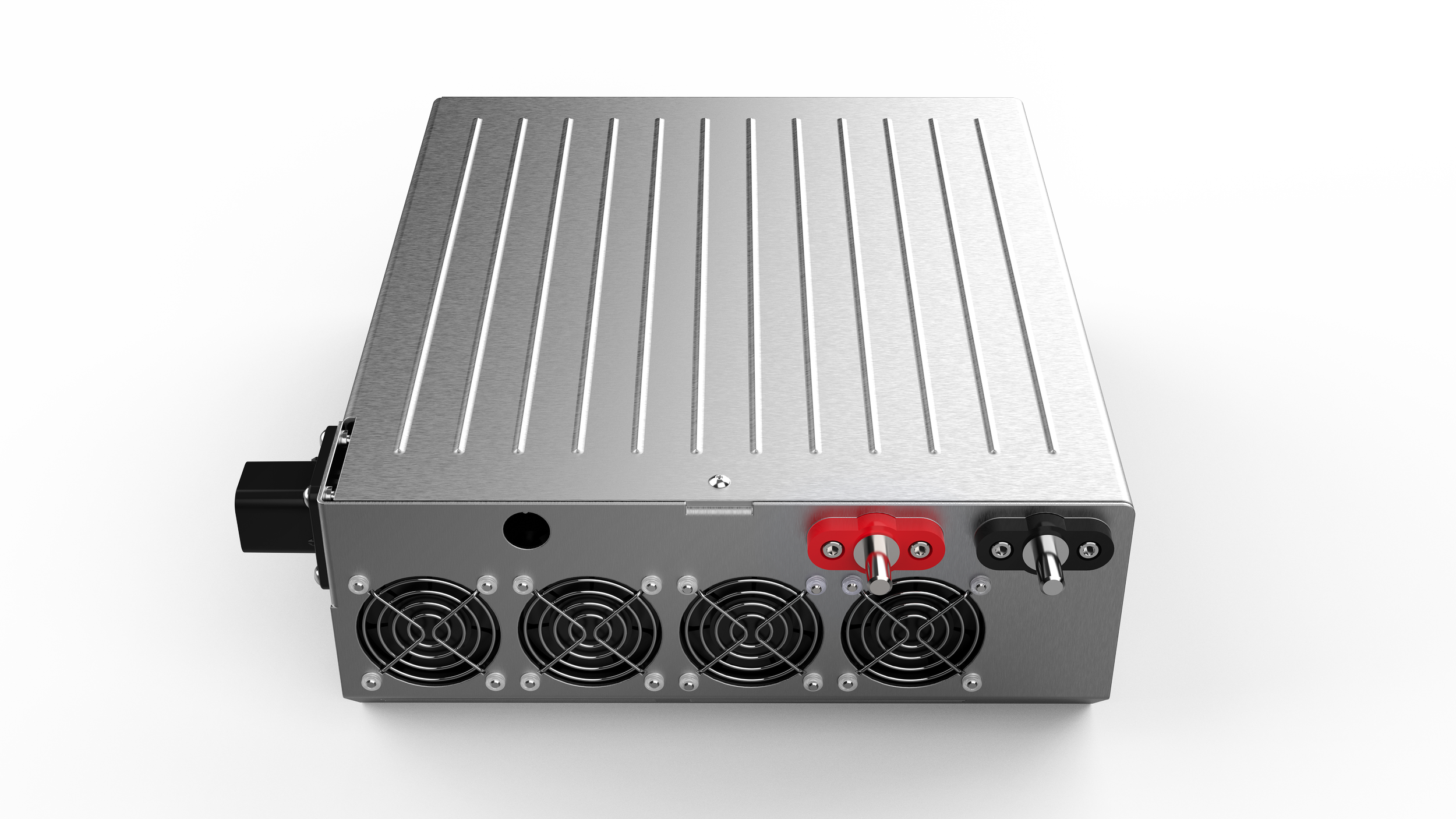
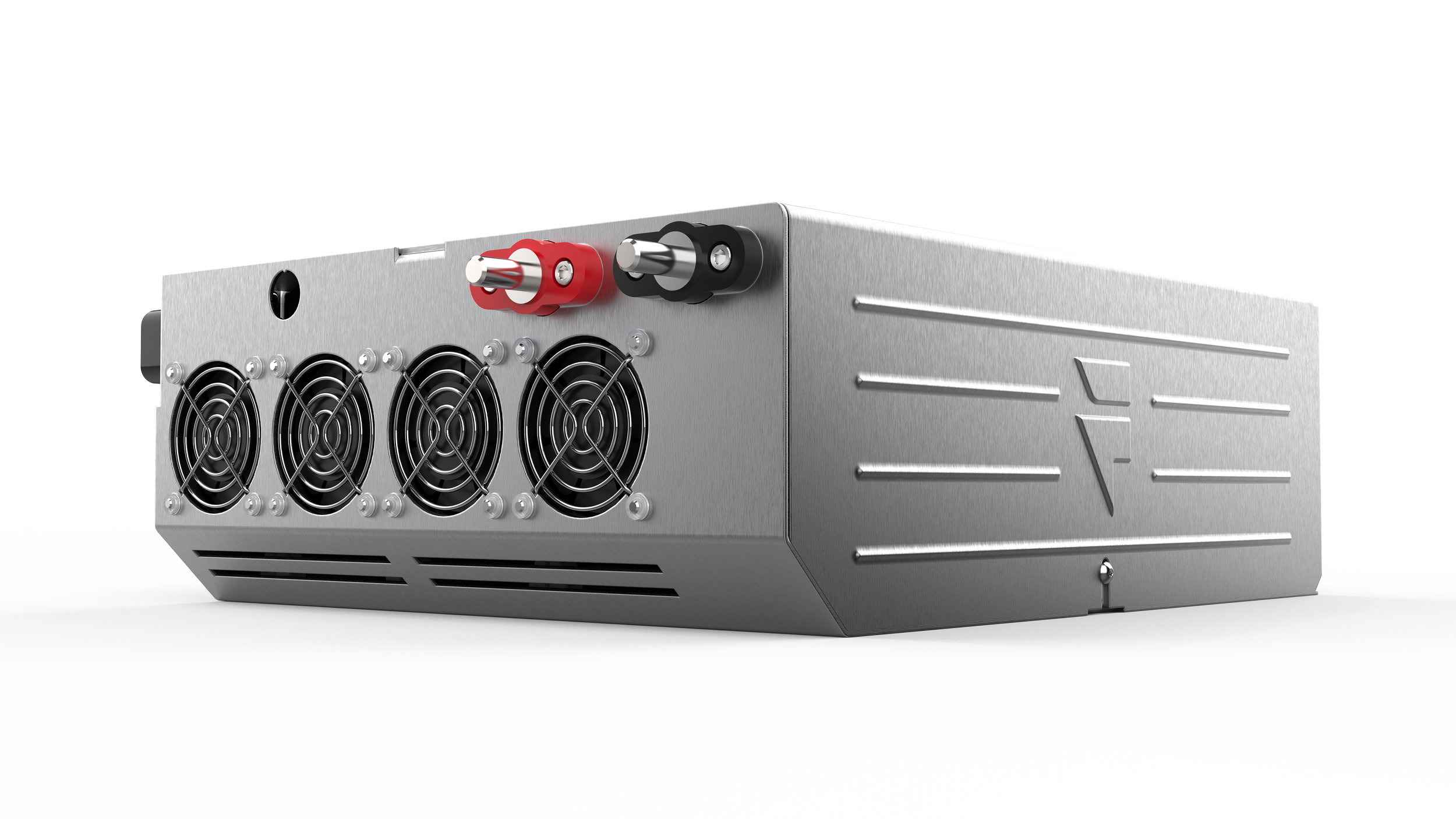
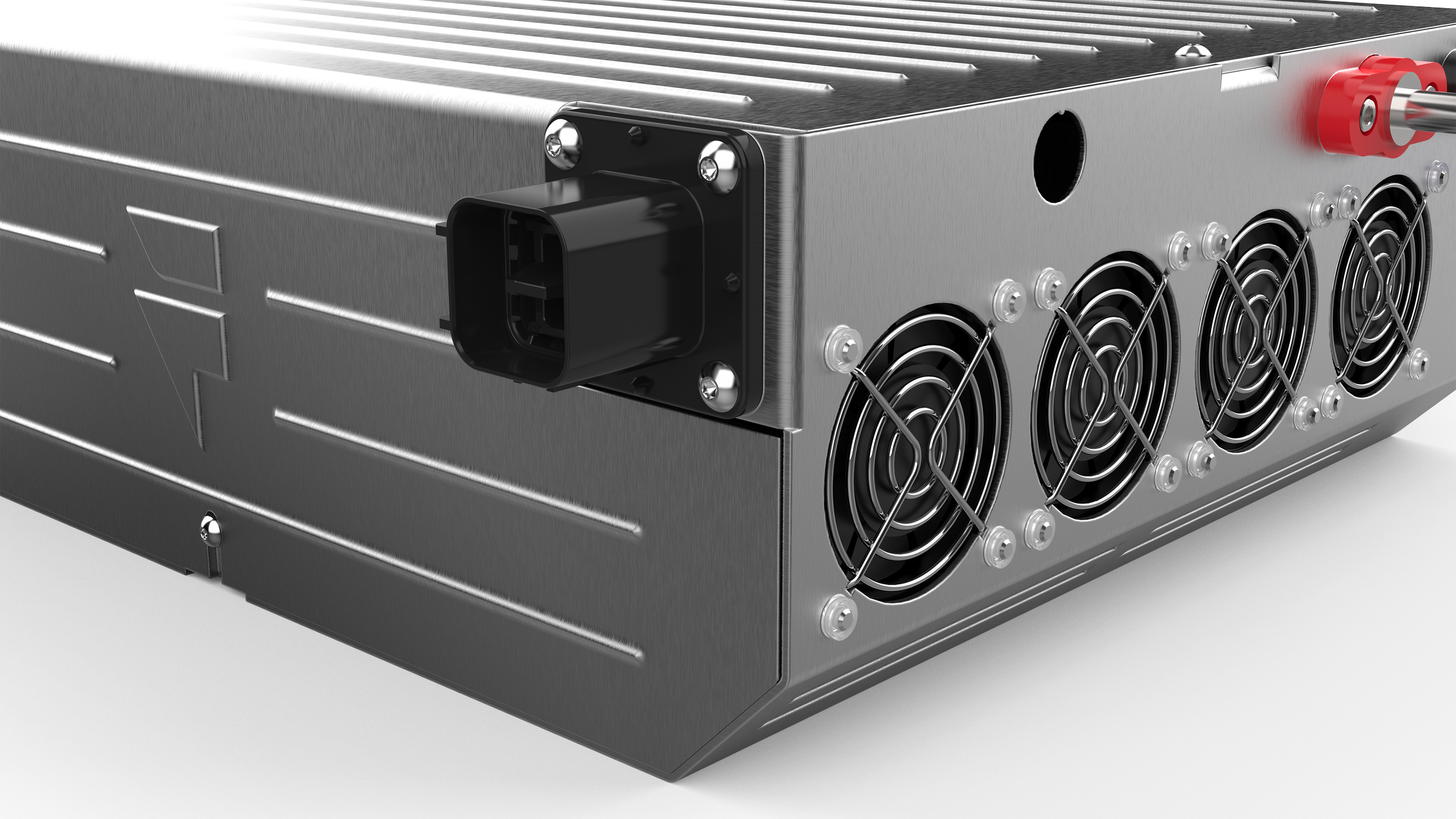
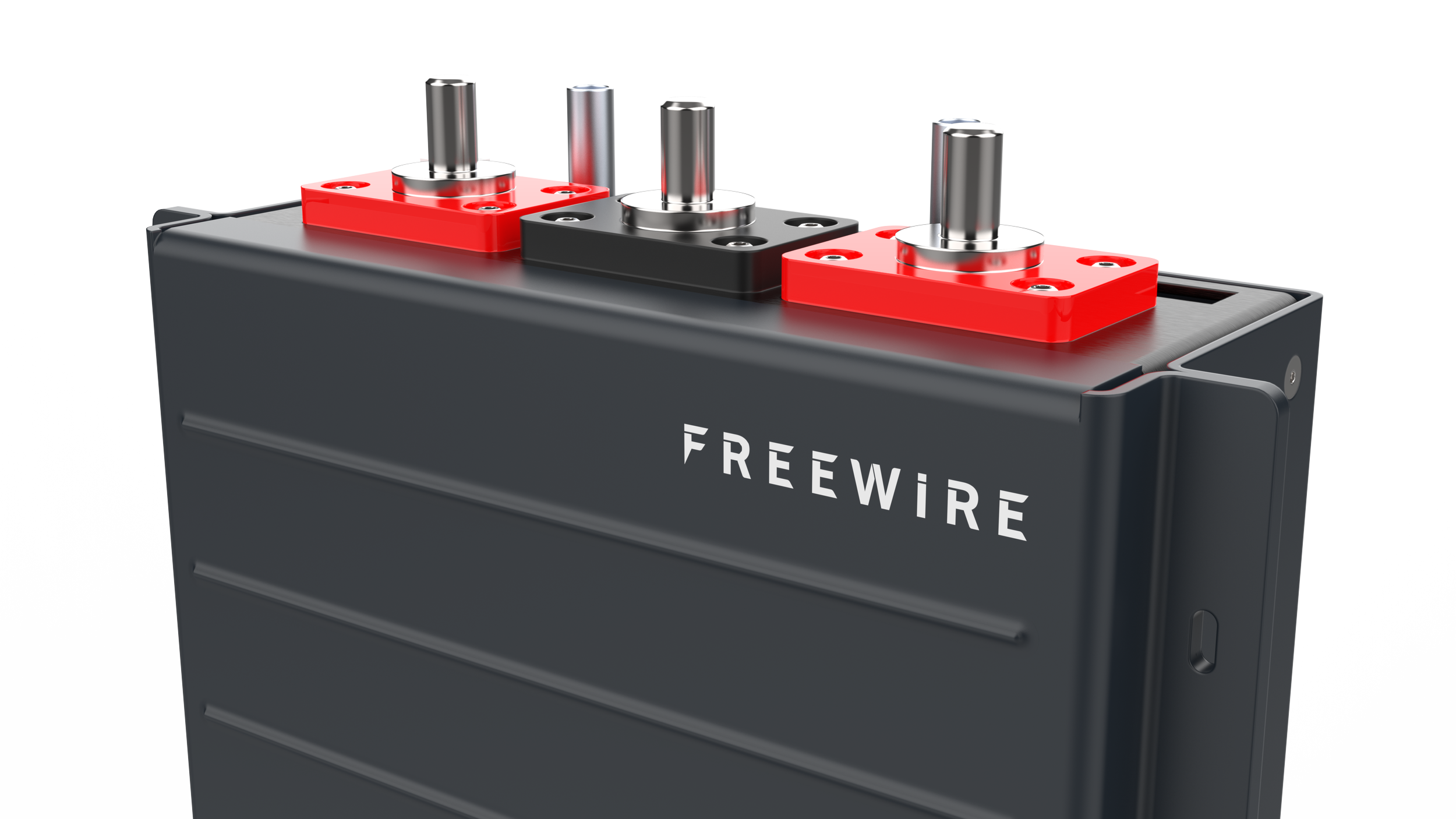
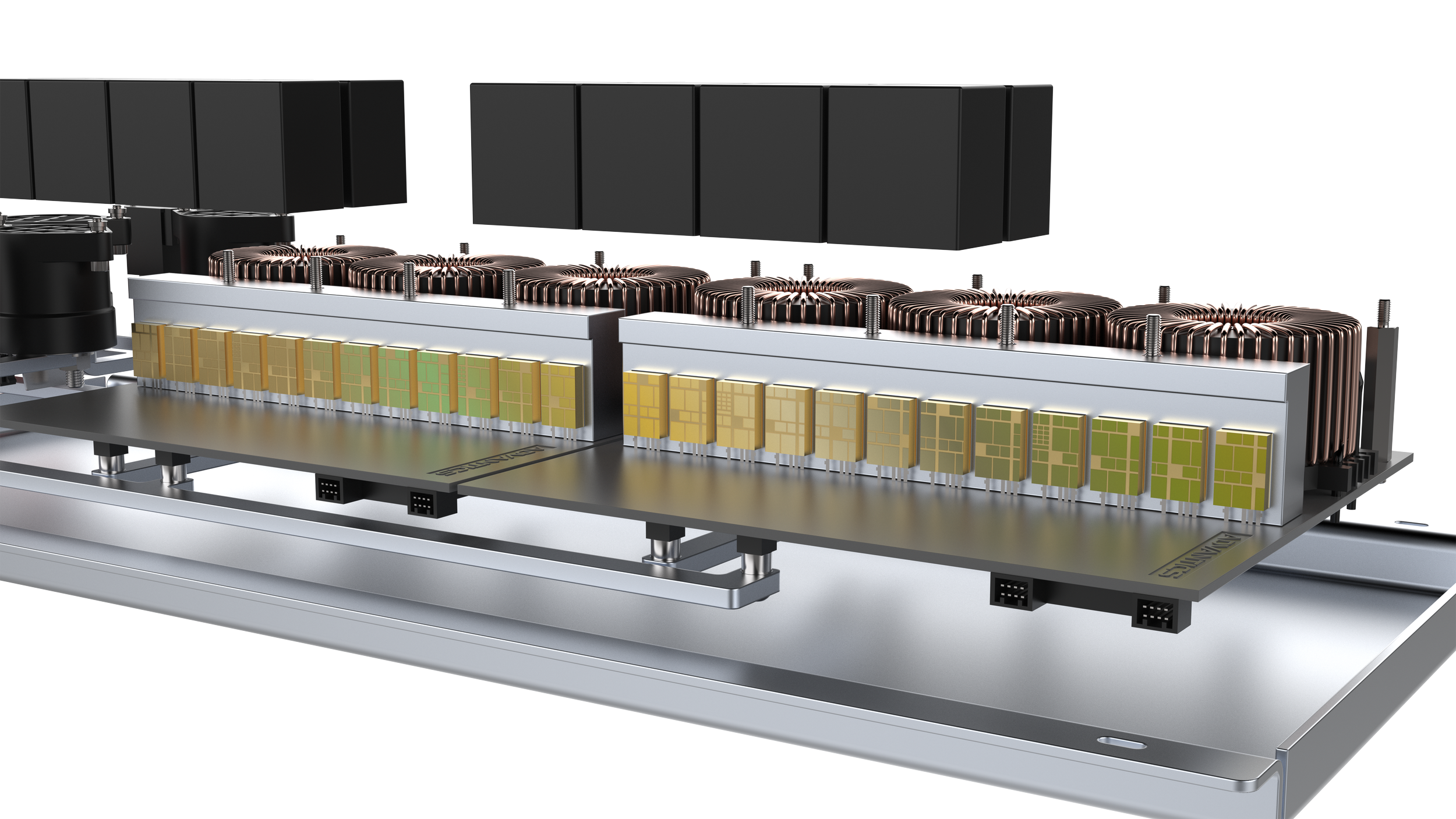
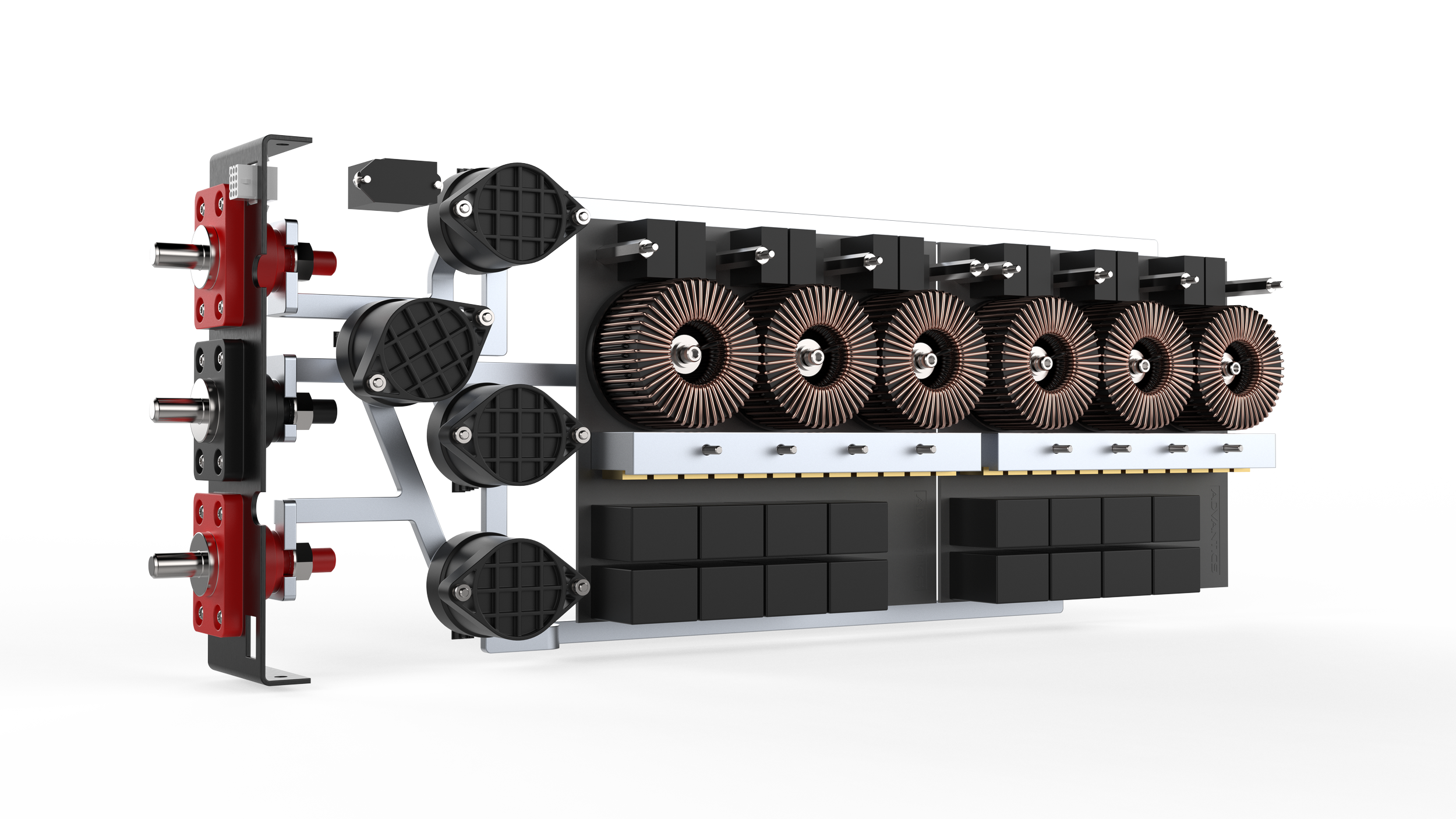
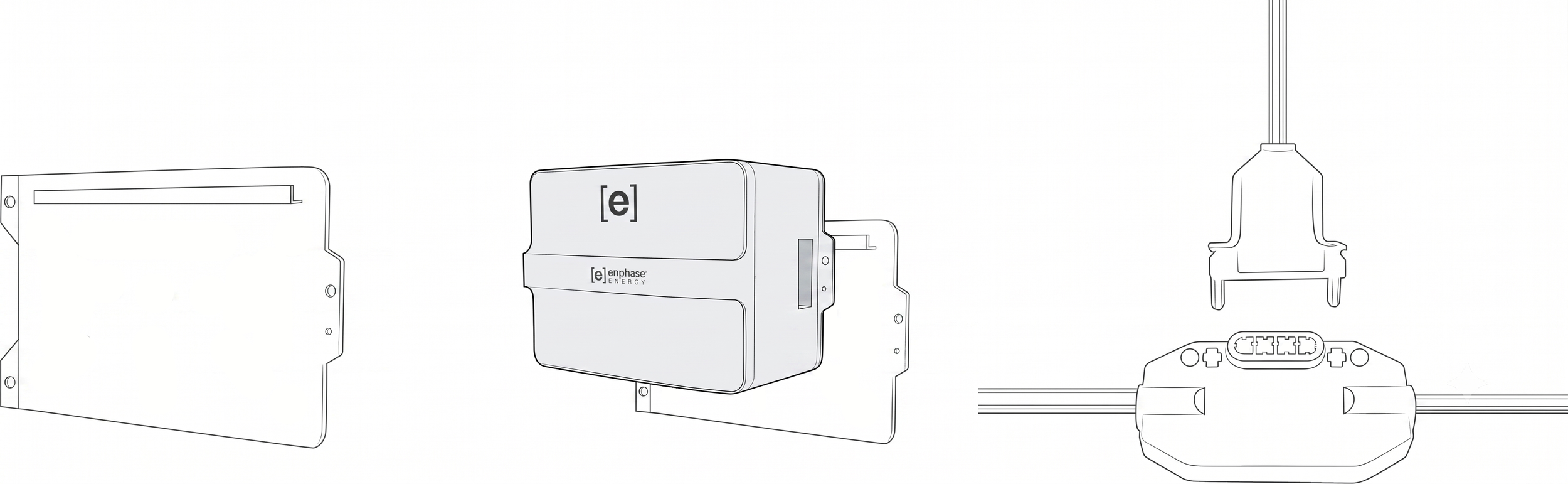
FreeWire envisioned a holistic, inside-out design language where every internal component is intentional, highly functional, and brand-cohesive. Studio Backs developed a unified aesthetic across the DC/DC converters, power converters, HVAC, battery pack, and Power Pod—extending the design down to the removable boards, potted copper inductors, high-voltage inputs, and heat sinks.
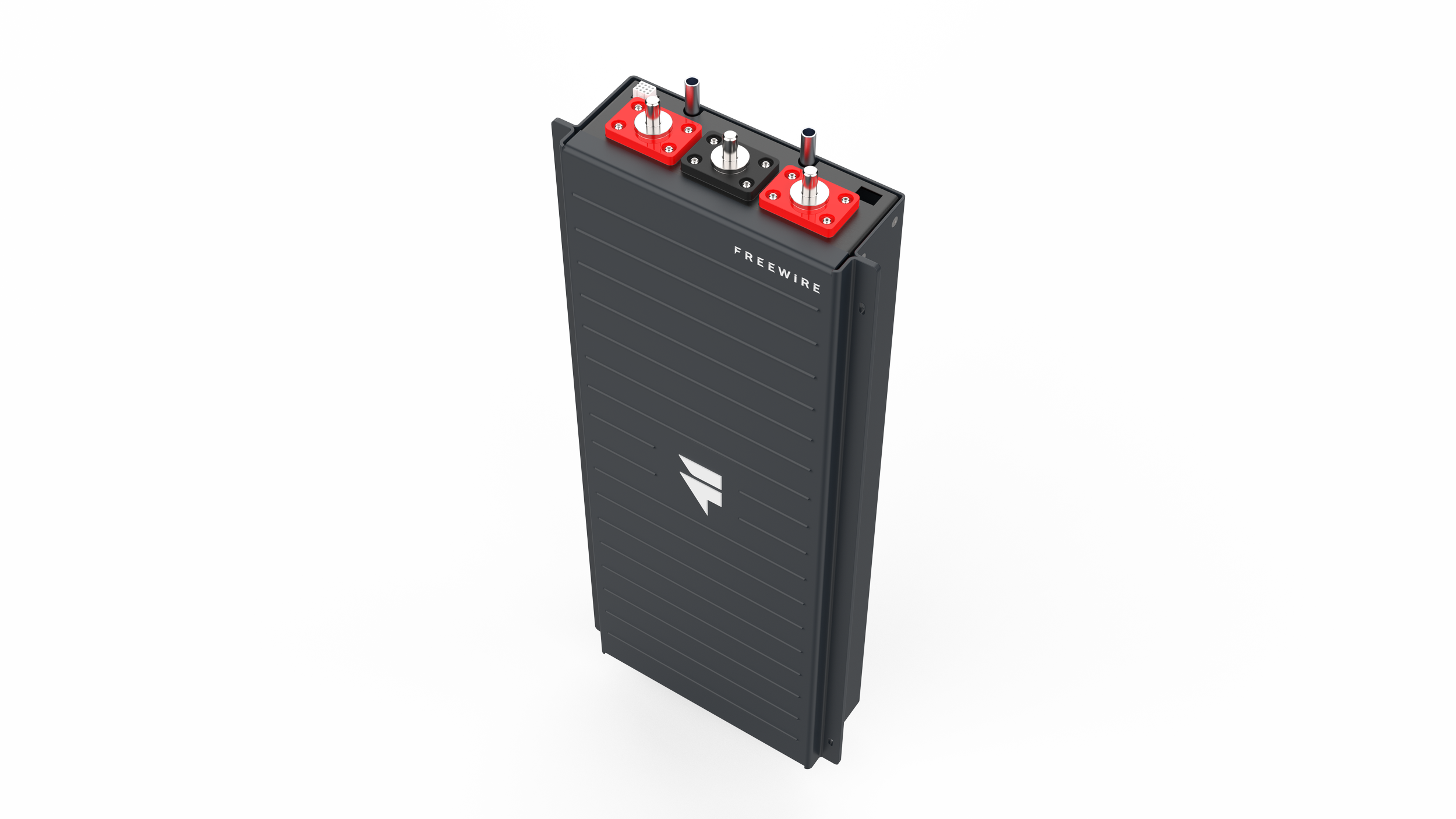
To reflect a premium, high-end brand, the logo is seamlessly integrated into the structural ribbing. Rather than a simple surface print, the logo acts as a molded, three-dimensional design element that elevates the product's physical identity.